


- Afhalen na 1 uur in een winkel met voorraad
- Gratis thuislevering in België vanaf € 30
- Ruim aanbod met 7 miljoen producten
- Afhalen na 1 uur in een winkel met voorraad
- Gratis thuislevering in België vanaf € 30
- Ruim aanbod met 7 miljoen producten





€ 10,49
+ 10 punten
Omschrijving
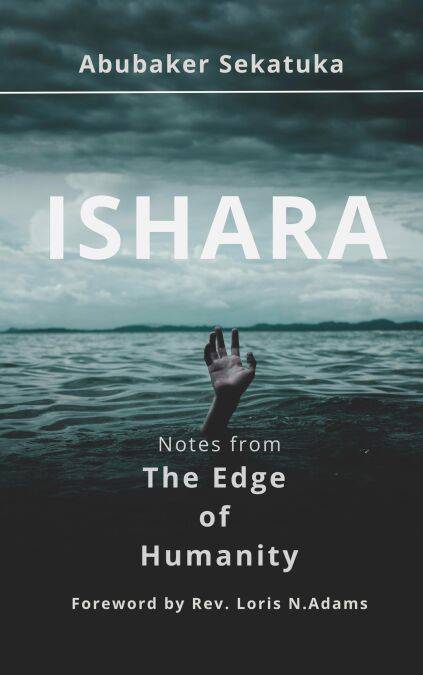
What if suffering has been speaking all along, and we punished it instead of listening?
In Kiswahili, Ishara means a sign: the quiet signal that appears long before despair turns into action, the forced smile, the rigid silence, the exhaustion no diagnosis can explain. In this deeply personal work, Sekatuka explores suicide and mental suffering as forms of human communication, not crimes or moral failures. Drawing from lived experience and public health practice in Uganda, Ishara directly challenges Section 210 of the Penal Code, which criminalises attempted suicide, arguing that punishment meets people at their lowest moment instead of offering care. Ishara is about the signs we ignore, and the laws that deepen suffering when compassion is needed most.
Specificaties
Betrokkenen
- Auteur(s):
- Uitgeverij:
Inhoud
- Taal:
- Engels
Eigenschappen
- Productcode (EAN):
- 9798233262623
- Verschijningsdatum:
- 1/02/2026
- Uitvoering:
- E-book
- Formaat:
- ePub



Alleen bij Standaard Boekhandel
+ 10 punten op je klantenkaart van Standaard Boekhandel
Cadeau

AANGERADEN


Beoordelingen
We publiceren alleen reviews die voldoen aan de voorwaarden voor reviews. Bekijk onze voorwaarden voor reviews.