


- Afhalen na 1 uur in een winkel met voorraad
- Gratis thuislevering in België vanaf € 30
- Ruim aanbod met 7 miljoen producten
- Afhalen na 1 uur in een winkel met voorraad
- Gratis thuislevering in België vanaf € 30
- Ruim aanbod met 7 miljoen producten





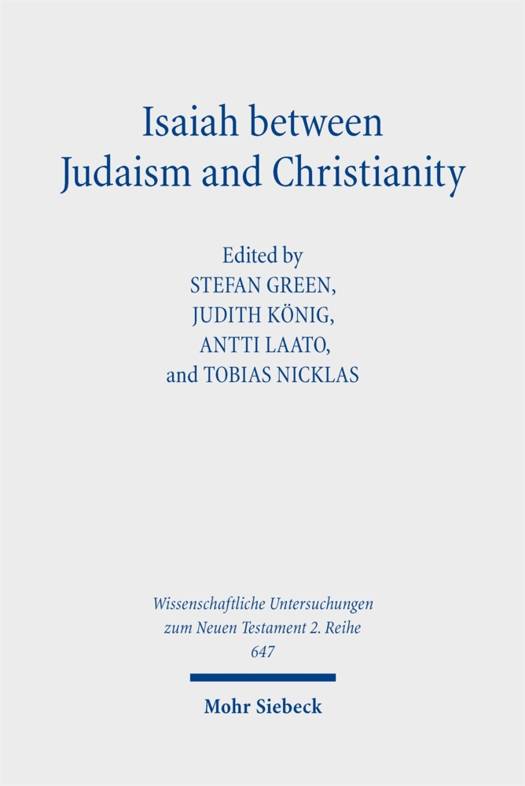
Isaiah Between Judaism and Christianity
Early Christian Reception and Interpretation
€ 114,95
+ 229 punten
Omschrijving
English summary: The contributors to this volume illustrate the way in which exegesis of the book of Isaiah was developed in early Christianity. Reception unfolded within spaces opened, shaped, and defined along Judaeo-Christian borderlines. The book of Isaiah was of utmost importance to the first Jesus followers and their literary production, particularly in the way they articulated their beliefs. Consequently, scholars have often referred to Isaiah as "the fifth Gospel." The present volume collects investigations into the specific ways the book of Isaiah was received in various early Christian contexts - from the canonical gospels to early Syriac Christian literature. The contributors explore the different modes and purposes of reading Isaiah and integrating its ideas, style, and concepts into new writings. German description: Das von Gelehrten oft als "funftes Evangelium" bezeichnete Buch Jesaja war fur die literarische Produktion des fruhen Christentums von ausserordentlicher Bedeutung und formte die Art und Weise, wie die ersten Jesus-Anhanger ihren Glauben zum Ausdruck brachten. Die hier versammelten Studien beleuchten die Entwicklung der fruhchristlichen Exegese des Jesajabuches, dessen Rezeption sich in den Raumen gestaltete, die entlang Grenze zwischen Judentum und Christentum eroffnet, gestaltet und definiert wurden.
Specificaties
Betrokkenen
- Uitgeverij:
Inhoud
- Aantal bladzijden:
- 360
- Taal:
- Engels
- Reeks:
Eigenschappen
- Productcode (EAN):
- 9783161632860
- Verschijningsdatum:
- 31/12/2025
- Uitvoering:
- Paperback
- Formaat:
- Trade paperback (VS)
- Afmetingen:
- 155 mm x 231 mm
- Gewicht:
- 557 g

Alleen bij Standaard Boekhandel
+ 229 punten op je klantenkaart van Standaard Boekhandel
Cadeau

AANGERADEN


Beoordelingen
We publiceren alleen reviews die voldoen aan de voorwaarden voor reviews. Bekijk onze voorwaarden voor reviews.