


- Afhalen na 1 uur in een winkel met voorraad
- Gratis thuislevering in België vanaf € 30
- Ruim aanbod met 7 miljoen producten
- Afhalen na 1 uur in een winkel met voorraad
- Gratis thuislevering in België vanaf € 30
- Ruim aanbod met 7 miljoen producten





€ 5,77
+ 5 punten
Uitvoering
Eenvoudig bestellen
Veilig betalen


Onmiddellijk geleverd via e-mail
Omschrijving
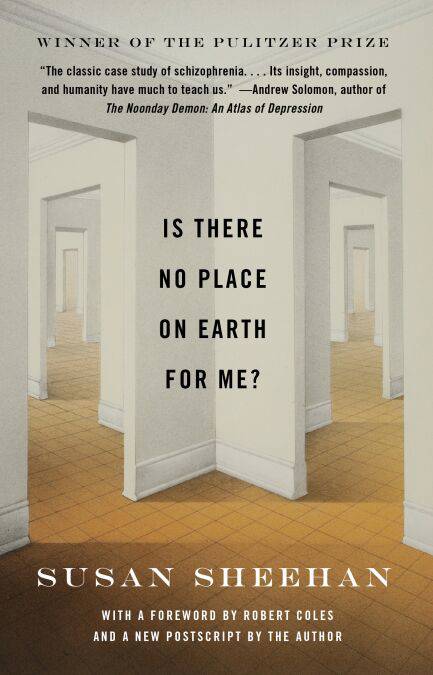
PULITZER PRIZE WINNER • The renowned journalist's classic investigation of schizophrenia that follows a flamboyant and fiercely intelligent young woman as she struggles in the throes of mental illness.
“The classic case study of schizophrenia that set the stage for reform. . . . Its insight, compassion, and humanity have much to teach us." —Andrew Solomon, author of The Noonday Demon: An Atlas of Depression
“Sylvia Frumkin” was born in 1948 and began showing signs of schizophrenia in her teens. She spent the next seventeen years in and out of mental institutions. In 1978, reporter Susan Sheehan took an interest in her and, for more than two years, became immersed in her life: talking with her, listening to her monologues, sitting in on consultations with doctors—even, for a period, sleeping in the bed next to her in a psychiatric center. With Sheehan, we become witness to Sylvia’s plight: her psychotic episodes, the medical struggle to control her symptoms, and the overburdened hospitals that, more often than not, she was obliged to call home.
The resulting book, first published in 1982, was hailed as an extraordinary achievement: harrowing, humanizing, moving, and bitingly funny. Now, decades later, Is There No Place on Earth for Me? continues to set the standard for accounts of mental illness.
“The classic case study of schizophrenia that set the stage for reform. . . . Its insight, compassion, and humanity have much to teach us." —Andrew Solomon, author of The Noonday Demon: An Atlas of Depression
“Sylvia Frumkin” was born in 1948 and began showing signs of schizophrenia in her teens. She spent the next seventeen years in and out of mental institutions. In 1978, reporter Susan Sheehan took an interest in her and, for more than two years, became immersed in her life: talking with her, listening to her monologues, sitting in on consultations with doctors—even, for a period, sleeping in the bed next to her in a psychiatric center. With Sheehan, we become witness to Sylvia’s plight: her psychotic episodes, the medical struggle to control her symptoms, and the overburdened hospitals that, more often than not, she was obliged to call home.
The resulting book, first published in 1982, was hailed as an extraordinary achievement: harrowing, humanizing, moving, and bitingly funny. Now, decades later, Is There No Place on Earth for Me? continues to set the standard for accounts of mental illness.
Specificaties
Betrokkenen
- Auteur(s):
- Uitgeverij:
Inhoud
- Aantal bladzijden:
- 352
- Taal:
- Engels
Eigenschappen
- Productcode (EAN):
- 9780804169196
- Verschijningsdatum:
- 13/01/2014
- Uitvoering:
- E-book
- Beveiligd met:
- Adobe DRM
- Formaat:
- ePub


Alleen bij Standaard Boekhandel
+ 5 punten op je klantenkaart van Standaard Boekhandel
CADEAU

AANGERADEN


Beoordelingen
We publiceren alleen reviews die voldoen aan de voorwaarden voor reviews. Bekijk onze voorwaarden voor reviews.