



- Afhalen na 1 uur in een winkel met voorraad
- In januari gratis thuislevering in België
- Ruim aanbod met 7 miljoen producten
- Afhalen na 1 uur in een winkel met voorraad
- In januari gratis thuislevering in België
- Ruim aanbod met 7 miljoen producten





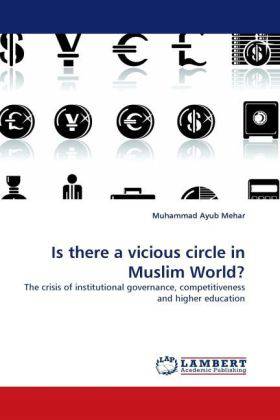
Is there a vicious circle in Muslim World?
The crisis of institutional governance, competitiveness and higher education
Muhammad Ayub Mehar
Paperback | Engels
€ 68,45
+ 136 punten
Omschrijving
The main objective of this study is to compare Muslim countries with the rest of world in terms of the effectiveness and efficiency of the factors of competitiveness. Its another objective is to determine the factors of competitiveness of the nations. The study has also assessed the impacts of improvement in political and corporate governances of the institutions, technological advancement and higher education on the business competitiveness.It was concluded that investment and technology readiness affects the competitiveness in Muslim countries in different ways. It was recommended that Muslim countries should improve their governance of the corporate and political institutions and the higher education to achieve the efficiency and higher targets of competitiveness. The study also discusses the cause and consequences of the deterioration and depressing condition of higher education in Muslim countries.The hypothesis of external conspiracy was not accepted in the study and it was concluded that weak human resources are mainly responsible for deterioration in the higher education.
Specificaties
Betrokkenen
- Auteur(s):
- Uitgeverij:
Inhoud
- Aantal bladzijden:
- 72
- Taal:
- Engels
Eigenschappen
- Productcode (EAN):
- 9783838336640
- Verschijningsdatum:
- 28/01/2010
- Uitvoering:
- Paperback
- Afmetingen:
- 152 mm x 229 mm
- Gewicht:
- 118 g


Alleen bij Standaard Boekhandel
+ 136 punten op je klantenkaart van Standaard Boekhandel
Cadeau

AANGERADEN


Beoordelingen
We publiceren alleen reviews die voldoen aan de voorwaarden voor reviews. Bekijk onze voorwaarden voor reviews.