


- Afhalen na 1 uur in een winkel met voorraad
- Gratis thuislevering in België vanaf € 30
- Ruim aanbod met 7 miljoen producten
- Afhalen na 1 uur in een winkel met voorraad
- Gratis thuislevering in België vanaf € 30
- Ruim aanbod met 7 miljoen producten





Omschrijving
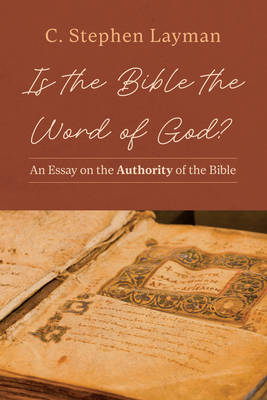
Are there any good reasons to regard the Bible as authoritative, as divinely inspired, and/or as a revelation from God? This book provides a thoughtful discussion of the difficulties in establishing that the Bible is a divinely authorized collection of writings. Recent philosophical contributions by Alvin Plantinga, Richard Swinburne, William Abraham, and Edwin Curley receive special attention. Do problematic moral passages in the Bible undermine any attempt to show that it is a revelation from God? For example, what about the divine command to exterminate the Canaanites? Or the divine command that Abraham sacrifice his son Isaac? In addition, what about apparent factual errors in the Bible? Can the Bible be divinely authorized if it contains errors? A case for the authority of the Bible is proposed and defended, while well-known difficulties are tackled head-on.
Specificaties
Betrokkenen
- Auteur(s):
- Uitgeverij:
Inhoud
- Aantal bladzijden:
- 164
- Taal:
- Engels
Eigenschappen
- Productcode (EAN):
- 9798385260072
- Verschijningsdatum:
- 21/11/2025
- Uitvoering:
- Hardcover
- Formaat:
- Genaaid
- Afmetingen:
- 140 mm x 216 mm
- Gewicht:
- 340 g


Alleen bij Standaard Boekhandel
+ 108 punten op je klantenkaart van Standaard Boekhandel
AANGERADEN


Beoordelingen
We publiceren alleen reviews die voldoen aan de voorwaarden voor reviews. Bekijk onze voorwaarden voor reviews.