



- Afhalen na 1 uur in een winkel met voorraad
- In januari gratis thuislevering in België
- Ruim aanbod met 7 miljoen producten
- Afhalen na 1 uur in een winkel met voorraad
- In januari gratis thuislevering in België
- Ruim aanbod met 7 miljoen producten





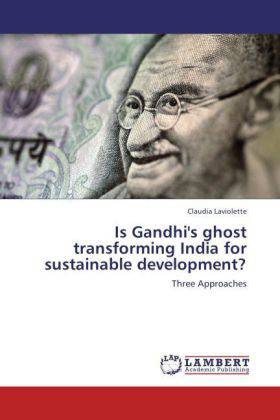
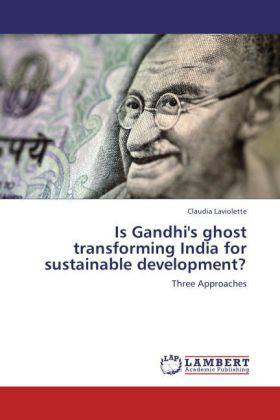
Is Gandhi's ghost transforming India for sustainable development?
Three Approaches
Claudia Laviolette
Paperback | Engels
€ 48,45
+ 96 punten
Omschrijving
This dissertation broadly questions the desirability of the paradigm of modernity - defined as being the set of commonly shared beliefs which states that with the help of centralised governance, modern science and technologies and economic growth- for the field of sustainable development. It maps three broad approaches to sustainable development status quo, reform and transformation- and suggests that the adoption of one position over another is often informed by pre-existing attitudes toward the desirability of the paradigm of modernity in general. All those approaches find echo in the sustainable development debate that unfolds today in India. The core of this dissertation asks whether Gandhi provides, in Hind Swaraj, a strategy for transforming India for sustainable development, providing both vocabulary of protest and an ideological critique of development in independent India. Moreover, this dissertation reflects on Gandhi s ability to transcend paradigms to achieve a purpose, in his case the independence of India.
Specificaties
Betrokkenen
- Auteur(s):
- Uitgeverij:
Inhoud
- Aantal bladzijden:
- 84
- Taal:
- Engels
Eigenschappen
- Productcode (EAN):
- 9783844388176
- Verschijningsdatum:
- 25/06/2011
- Uitvoering:
- Paperback
- Afmetingen:
- 152 mm x 229 mm
- Gewicht:
- 136 g


Alleen bij Standaard Boekhandel
+ 96 punten op je klantenkaart van Standaard Boekhandel
Cadeau

AANGERADEN


Beoordelingen
We publiceren alleen reviews die voldoen aan de voorwaarden voor reviews. Bekijk onze voorwaarden voor reviews.