


- Afhalen na 1 uur in een winkel met voorraad
- Gratis thuislevering in België vanaf € 30
- Ruim aanbod met 7 miljoen producten
- Afhalen na 1 uur in een winkel met voorraad
- Gratis thuislevering in België vanaf € 30
- Ruim aanbod met 7 miljoen producten





€ 259,45
+ 518 punten
Omschrijving
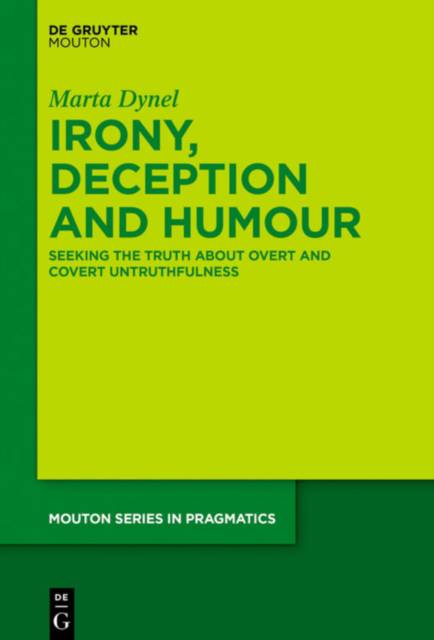
This book offers fresh perspectives on untruthfulness entailed in various forms of irony, deception and humour, which have so far constituted independent foci of linguistic and philosophical investigation. These three distinct (albeit sometimes co-occurring) notions are brought together within a neo-Gricean framework and consistently discussed as representing overt or covert untruthfulness. The postulates that represent the interface between language philosophy and pragmatics are illustrated with scripted interactions culled from the series House, which help appreciate the complexities of the three concepts at hand. Apart from affording new insights into the nature of irony, deception and humour, this book critically examines previous literature on these notions, as well as relevant aspects of Grice's philosophy of language. Giving a state-of-the-art picture of untruthfulness, this publication will be of interest to both experienced and inexperienced researchers studying Grice's philosophy, irony, deception and/or humour.
Specificaties
Betrokkenen
- Auteur(s):
- Uitgeverij:
Inhoud
- Aantal bladzijden:
- 503
- Taal:
- Engels
- Reeks:
- Reeksnummer:
- nr. 21
Eigenschappen
- Productcode (EAN):
- 9781501516429
- Verschijningsdatum:
- 19/03/2018
- Uitvoering:
- Hardcover
- Formaat:
- Genaaid
- Afmetingen:
- 155 mm x 234 mm
- Gewicht:
- 839 g


Alleen bij Standaard Boekhandel
+ 518 punten op je klantenkaart van Standaard Boekhandel
Cadeau

AANGERADEN


Beoordelingen
We publiceren alleen reviews die voldoen aan de voorwaarden voor reviews. Bekijk onze voorwaarden voor reviews.