


- Afhalen na 1 uur in een winkel met voorraad
- Gratis thuislevering in België vanaf € 30
- Ruim aanbod met 7 miljoen producten
- Afhalen na 1 uur in een winkel met voorraad
- Gratis thuislevering in België vanaf € 30
- Ruim aanbod met 7 miljoen producten





€ 93,95
+ 187 punten
Uitvoering
Omschrijving
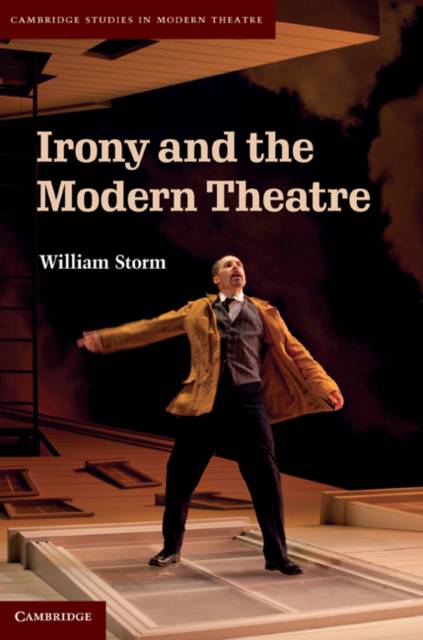
Irony and theater share intimate kinships, not only regarding dramatic conflict, dialectic, or wittiness, but also scenic structure and the verbal or situational ironies that typically mark theatrical speech and action. Yet irony today, in aesthetic, literary, and philosophical contexts especially, is often regarded with skepticism - as ungraspable, or elusive to the point of confounding. Countering this tendency, Storm advocates a wide-angle view of this master trope, exploring the ironic in major works by playwrights including Chekhov, Pirandello, and Brecht, and in notable relation to well-known representative characters in drama from Ibsen's Halvard Solness to Stoppard's Septimus Hodge and Wasserstein's Heidi Holland. To the degree that irony is existential, its presence in the theater relates directly to the circumstances and the expressiveness of the characters on stage. This study investigates how these key figures enact, embody, represent, and personify the ironic in myriad situations in the modern and contemporary theater.
Specificaties
Betrokkenen
- Auteur(s):
- Uitgeverij:
Inhoud
- Aantal bladzijden:
- 266
- Taal:
- Engels
- Reeks:
Eigenschappen
- Productcode (EAN):
- 9781107007925
- Verschijningsdatum:
- 5/05/2011
- Uitvoering:
- Hardcover
- Formaat:
- Ongenaaid / garenloos gebonden
- Afmetingen:
- 152 mm x 229 mm
- Gewicht:
- 576 g


Alleen bij Standaard Boekhandel
+ 187 punten op je klantenkaart van Standaard Boekhandel
Cadeau

AANGERADEN


Beoordelingen
We publiceren alleen reviews die voldoen aan de voorwaarden voor reviews. Bekijk onze voorwaarden voor reviews.