


- Afhalen na 1 uur in een winkel met voorraad
- Gratis thuislevering in België vanaf € 30
- Ruim aanbod met 7 miljoen producten
- Afhalen na 1 uur in een winkel met voorraad
- Gratis thuislevering in België vanaf € 30
- Ruim aanbod met 7 miljoen producten





€ 144,45
+ 288 punten
Uitvoering
Omschrijving
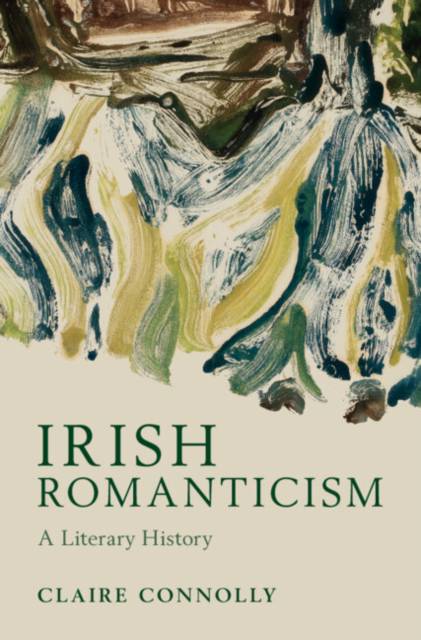
What does 'Irish romanticism' mean and when did Ireland become romantic? How does Irish romanticism differ from the literary culture of late eighteenth- and nineteenth-century Britain, and what qualities do they share? Claire Connolly proposes an understanding of romanticism as a temporally and aesthetically distinct period in Irish culture, during which literature flourished in new forms and styles, evidenced in the lives and writings of such authors as Thomas Dermody, Mary Tighe, Maria Edgeworth, Lady Morgan, Thomas Moore, Charles Maturin, John Banim, Gerald Griffin, William Carleton and James Clarence Mangan. Their books were written, sold, circulated and read in Ireland, Britain and America and as such were caught up in the shifting dramas of a changing print culture, itself shaped by asymmetries of language, power and population. Connolly meets that culture on its own terms and charts its history.
Specificaties
Betrokkenen
- Auteur(s):
- Uitgeverij:
Inhoud
- Aantal bladzijden:
- 256
- Taal:
- Engels
Eigenschappen
- Productcode (EAN):
- 9781107131613
- Verschijningsdatum:
- 11/12/2025
- Uitvoering:
- Hardcover
- Formaat:
- Genaaid
- Afmetingen:
- 152 mm x 229 mm
- Gewicht:
- 512 g


Alleen bij Standaard Boekhandel
+ 288 punten op je klantenkaart van Standaard Boekhandel
Cadeau

AANGERADEN


Beoordelingen
We publiceren alleen reviews die voldoen aan de voorwaarden voor reviews. Bekijk onze voorwaarden voor reviews.