



- Afhalen na 1 uur in een winkel met voorraad
- In januari gratis thuislevering in België
- Ruim aanbod met 7 miljoen producten
- Afhalen na 1 uur in een winkel met voorraad
- In januari gratis thuislevering in België
- Ruim aanbod met 7 miljoen producten





€ 25,45
+ 50 punten
Omschrijving
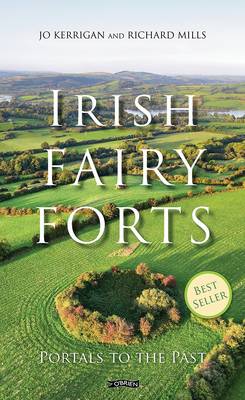
Far more than just a faint echo of the past, Ireland's fairy forts are still vibrantly alive.
The traditions connected to them are so powerful that, even today, people rarely interfere with Irish fairy forts or fairy trees. They aren't built on; roads curve around them; farmers don't plough over them
The most numerous ancient remains in Ireland today, numbering up to 50,000 or more, these enigmatic mounds and grassy banks seem to call out to us from an earlier time. So, what are they, who built them and what were they for? And how have so many survived for so long?
With evocative photographs by Richard Mills, master folklorist Jo Kerrigan explores the origins of these mysterious circular structures: the stories and legends, the history and archaeology, the living traditions and practices connected to them. And reminds us of the dangers of disturbing the ancient spirits dwelling beneath.
The traditions connected to them are so powerful that, even today, people rarely interfere with Irish fairy forts or fairy trees. They aren't built on; roads curve around them; farmers don't plough over them
The most numerous ancient remains in Ireland today, numbering up to 50,000 or more, these enigmatic mounds and grassy banks seem to call out to us from an earlier time. So, what are they, who built them and what were they for? And how have so many survived for so long?
With evocative photographs by Richard Mills, master folklorist Jo Kerrigan explores the origins of these mysterious circular structures: the stories and legends, the history and archaeology, the living traditions and practices connected to them. And reminds us of the dangers of disturbing the ancient spirits dwelling beneath.
Specificaties
Betrokkenen
- Auteur(s):
- Uitgeverij:
Inhoud
- Aantal bladzijden:
- 256
- Taal:
- Engels
Eigenschappen
- Productcode (EAN):
- 9781788495011
- Verschijningsdatum:
- 2/10/2025
- Uitvoering:
- Hardcover
- Formaat:
- Genaaid
- Afmetingen:
- 137 mm x 219 mm
- Gewicht:
- 725 g


Alleen bij Standaard Boekhandel
+ 50 punten op je klantenkaart van Standaard Boekhandel
Cadeau

AANGERADEN


Beoordelingen
We publiceren alleen reviews die voldoen aan de voorwaarden voor reviews. Bekijk onze voorwaarden voor reviews.