


- Afhalen na 1 uur in een winkel met voorraad
- Gratis thuislevering in België vanaf € 30
- Ruim aanbod met 7 miljoen producten
- Afhalen na 1 uur in een winkel met voorraad
- Gratis thuislevering in België vanaf € 30
- Ruim aanbod met 7 miljoen producten





Omschrijving
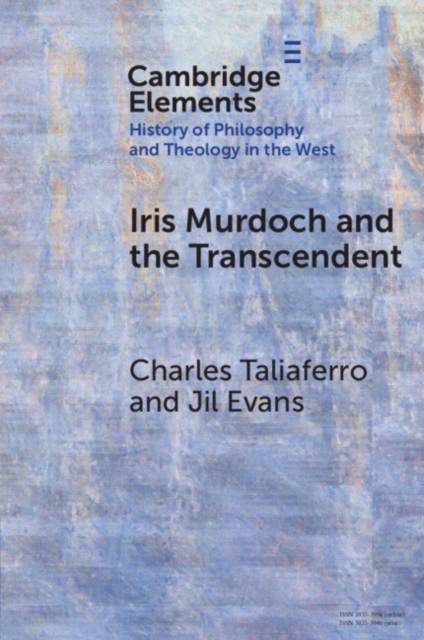
Iris Murdoch challenged the intellectual climate of her day. She transcended the reductive, behavioristic view of consciousness, sought to transcend the theory of values that focuses on will and desire, and defended instead a transcendent understanding of goodness and the Good that can transform us, leading us to renounce our egocentric nature. Her positive view of individual freedom and value led her to oppose strict gender roles and structuralism. Murdoch proposed that, ideally, our lives may be a pilgrimage toward the Good. She believed that the experience of beauty and art can enhance the pursuit of the Good. And yet Murdoch shunned the quest to discover some meaningful, transcendent reality (God or an impersonal, purposive force) to understand ourselves and the cosmos. In her words, 'we are simply here.' The authors ask whether Murdoch's foregoing a search for a broader transcendent reality to understand why we are here is compelling.
Specificaties
Betrokkenen
- Auteur(s):
- Uitgeverij:
Inhoud
- Aantal bladzijden:
- 80
- Taal:
- Engels
- Reeks:
Eigenschappen
- Productcode (EAN):
- 9781009631594
- Verschijningsdatum:
- 26/02/2026
- Uitvoering:
- Paperback
- Formaat:
- Trade paperback (VS)
- Afmetingen:
- 152 mm x 229 mm
- Gewicht:
- 117 g


Alleen bij Standaard Boekhandel
+ 48 punten op je klantenkaart van Standaard Boekhandel
Cadeau

AANGERADEN


Beoordelingen
We publiceren alleen reviews die voldoen aan de voorwaarden voor reviews. Bekijk onze voorwaarden voor reviews.