


- Afhalen na 1 uur in een winkel met voorraad
- Gratis thuislevering in België vanaf € 30
- Ruim aanbod met 7 miljoen producten
- Afhalen na 1 uur in een winkel met voorraad
- Gratis thuislevering in België vanaf € 30
- Ruim aanbod met 7 miljoen producten





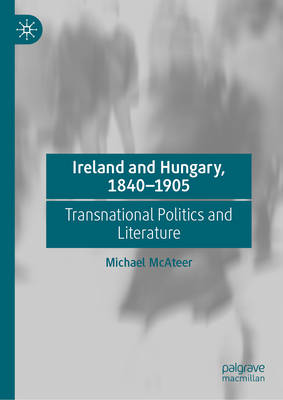
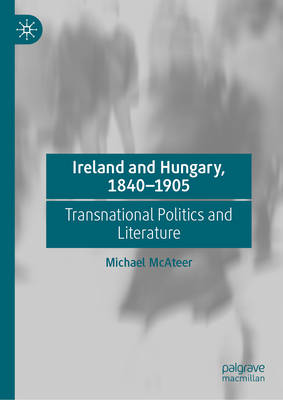
Ireland and Hungary, 1840-1905
Transnational Politics and Literature
Michael McAteer
Hardcover | Engels
€ 140,95
+ 281 punten
Omschrijving
This interdisciplinary study addresses Hungarian perspectives on Ireland and Irish engagements with Hungary from the early nineteenth to the early twentieth centuries, examining nationalist, colonialist and imperialist aspects of these encounters. It discusses Hungarian writings on Ireland during the 1830s and 1840s, including commentaries on the Irish political leader, Daniel O'Connell. McAteer analyses Hungarian translations of verses from Thomas Moore's Irish Melodies by Sándor Petőfi, the iconic poet of the Hungarian Revolution, 1848-49. He addresses Irish nationalist responses to the Hungarian Revolution in The Nation newspaper and in Irish poetry. McAteer also shows the transnational connection that William Smith O'Brien's Hungarian journal of 1861 forms between nineteenth-century Irish and Hungarian politics, Smith O'Brien having led the Young Ireland Rebellion of 1848. The book provides the first account of debates during the 1880s over whether or not the Austro-Hungarian Ausgleich/Compromise of 1867 provided a basis for an Irish Home Rule settlement. McAteer sheds light on these debates as they arose in the British, Irish and Hungarian press, in addition to Westminster Parliament. He thereby lays a basis for new readings of the two most significant political and literary engagements between Ireland and Hungary in modern times: Arthur Griffith's The Resurrection of Hungary, first published in 1904, and James Joyce's Ulysses, published in 1922 but set famously in Dublin in 1904. Ireland and Hungary, 1840-1905: Transnational Politics and Literature will appeal to anyone interested in transnational aspects of nationalism and modernism; in European and imperial contexts for Irish history, politics and literature; in nineteenth century Hungarian history and culture.
Specificaties
Betrokkenen
- Auteur(s):
- Uitgeverij:
Inhoud
- Aantal bladzijden:
- 312
- Taal:
- Engels
Eigenschappen
- Productcode (EAN):
- 9783032147349
- Verschijningsdatum:
- 24/04/2026
- Uitvoering:
- Hardcover
- Formaat:
- Genaaid
- Afmetingen:
- 148 mm x 210 mm
- Gewicht:
- 515 g


Alleen bij Standaard Boekhandel
+ 281 punten op je klantenkaart van Standaard Boekhandel
Cadeau

AANGERADEN


Beoordelingen
We publiceren alleen reviews die voldoen aan de voorwaarden voor reviews. Bekijk onze voorwaarden voor reviews.