



- Afhalen na 1 uur in een winkel met voorraad
- In januari gratis thuislevering in België
- Ruim aanbod met 7 miljoen producten
- Afhalen na 1 uur in een winkel met voorraad
- In januari gratis thuislevering in België
- Ruim aanbod met 7 miljoen producten





€ 93,45
+ 186 punten
Omschrijving
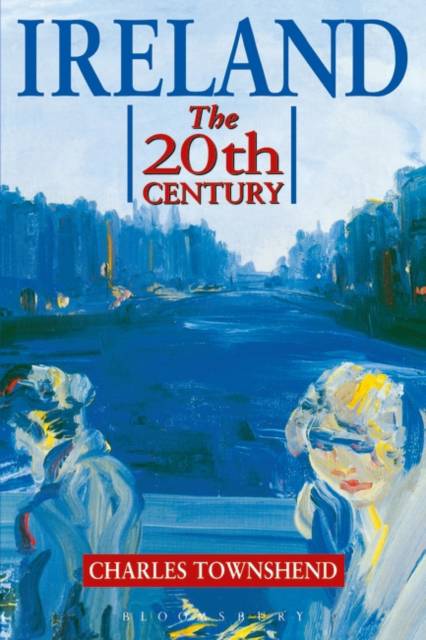
By the twentieth century Ireland had a history very different from that of most other western European countries. The two most profound shocks of the century, the world wars, affected Ireland indirectly, while partition and civil war were embittering first-hand experiences whose legacies continue to shape the course of events. This masterful new history is the first account to cover the whole of Ireland, north and south, from the origins of Sinn Fein at the beginning of the century to the Stormont agreement at the end. Townshend provides a concise, comprehensive, and balanced survey of the key points in Ireland's history.
Specificaties
Betrokkenen
- Auteur(s):
- Uitgeverij:
Inhoud
- Aantal bladzijden:
- 304
- Taal:
- Engels
Eigenschappen
- Productcode (EAN):
- 9780340663356
- Verschijningsdatum:
- 29/01/1999
- Uitvoering:
- Paperback
- Formaat:
- Trade paperback (VS)
- Afmetingen:
- 155 mm x 231 mm
- Gewicht:
- 453 g


Alleen bij Standaard Boekhandel
+ 186 punten op je klantenkaart van Standaard Boekhandel
Cadeau

AANGERADEN


Beoordelingen
We publiceren alleen reviews die voldoen aan de voorwaarden voor reviews. Bekijk onze voorwaarden voor reviews.