


- Afhalen na 1 uur in een winkel met voorraad
- Gratis thuislevering in België vanaf € 30
- Ruim aanbod met 7 miljoen producten
- Afhalen na 1 uur in een winkel met voorraad
- Gratis thuislevering in België vanaf € 30
- Ruim aanbod met 7 miljoen producten





€ 209,45
+ 418 punten
Eenvoudig bestellen
Veilig betalen


Gratis thuislevering vanaf € 30 (via bpost)
Gratis levering in je Standaard Boekhandel
Omschrijving
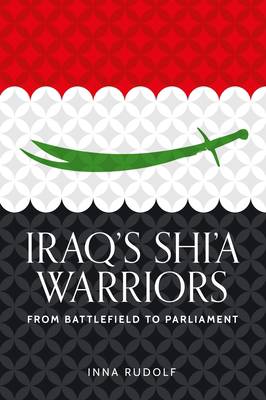
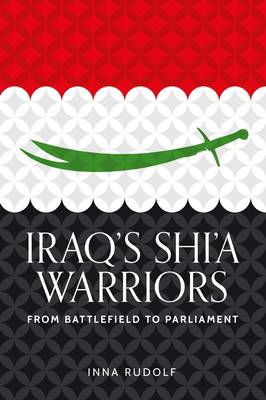
By examining the PMU's self-positioning as a pillar of Iraq's defence infrastructure, this book offers a critical perspective on the prospects for Security Sector Reform (SSR) and highlights the limitations of externally driven Disarmament, Demobilisation, and Reintegration (DDR) efforts. It speaks to scholars of Iraq and the Middle East, as well as diplomats, security actors, and SSR practitioners. The book is also a valuable teaching resource for undergraduate and postgraduate courses on conflict, security, identity politics, terrorism, and peacebuilding. Its unique fieldwork methodology offers guidance for researchers engaging with armed non-state and para-state actors in post-conflict settings. Altogether, the book addresses a strong academic and policy demand for evidence-based analysis of the PMU's complex identity - offering a flexible framework for studying hybrid security actors with transnational connections and domestic ambitions.
Specificaties
Betrokkenen
- Auteur(s):
- Uitgeverij:
Inhoud
- Aantal bladzijden:
- 320
- Taal:
- Engels
- Reeks:
Eigenschappen
- Productcode (EAN):
- 9781526193063
- Verschijningsdatum:
- 7/04/2026
- Uitvoering:
- Hardcover
- Formaat:
- Genaaid
- Afmetingen:
- 156 mm x 234 mm
- Gewicht:
- 621 g


Alleen bij Standaard Boekhandel
+ 418 punten op je klantenkaart van Standaard Boekhandel
CADEAU

AANGERADEN


Beoordelingen
We publiceren alleen reviews die voldoen aan de voorwaarden voor reviews. Bekijk onze voorwaarden voor reviews.