


- Afhalen na 1 uur in een winkel met voorraad
- Gratis thuislevering in België vanaf € 30
- Ruim aanbod met 7 miljoen producten
- Afhalen na 1 uur in een winkel met voorraad
- Gratis thuislevering in België vanaf € 30
- Ruim aanbod met 7 miljoen producten





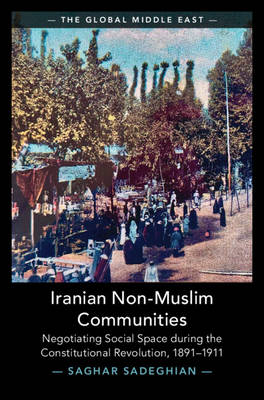
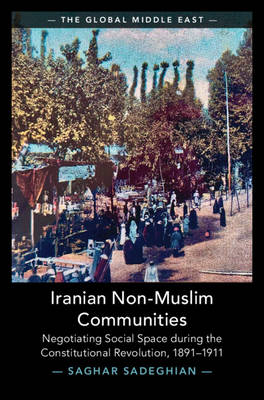
Iranian Non-Muslim Communities
Negotiating Social Space During the Constitutional Revolution, 1891-1911
Saghar Sadeghian
€ 46,45
+ 92 punten
Uitvoering
Omschrijving
In the years surrounding the Iranian Constitutional Revolution, major non-Muslim communities of Zoroastrians, Christians, Jews, and Bahaʾis negotiated identities, rights, and power structures. Using primary documents from Iranian, British, and French archives, Saghar Sadeghian sheds light on an underexplored aspect of Iranian and Middle Eastern history and offers a comparative view of these communities during the late Qajar era. This study draws on theories from Foucault, Agamben, and Lefebvre, providing an interdisciplinary analysis that connects history and sociology. The position of non-Muslims in Iranian society created heterotopias for the Muslim majority, yet the fluid identities blurred boundaries and bent regulations. Sadeghian explores the roles of non-Muslims in the revolution, demonstrating the impacts on these groups at the intersection of religion, economy, and politics.
Specificaties
Betrokkenen
- Auteur(s):
- Uitgeverij:
Inhoud
- Aantal bladzijden:
- 288
- Taal:
- Engels
- Reeks:
- Reeksnummer:
- nr. 41
Eigenschappen
- Productcode (EAN):
- 9781009749145
- Verschijningsdatum:
- 31/07/2026
- Uitvoering:
- Paperback
- Formaat:
- Trade paperback (VS)
- Gewicht:
- 25 g


Alleen bij Standaard Boekhandel
+ 92 punten op je klantenkaart van Standaard Boekhandel
Cadeau

AANGERADEN


Beoordelingen
We publiceren alleen reviews die voldoen aan de voorwaarden voor reviews. Bekijk onze voorwaarden voor reviews.