


- Afhalen na 1 uur in een winkel met voorraad
- Gratis thuislevering in België vanaf € 30
- Ruim aanbod met 7 miljoen producten
- Afhalen na 1 uur in een winkel met voorraad
- Gratis thuislevering in België vanaf € 30
- Ruim aanbod met 7 miljoen producten





Omschrijving
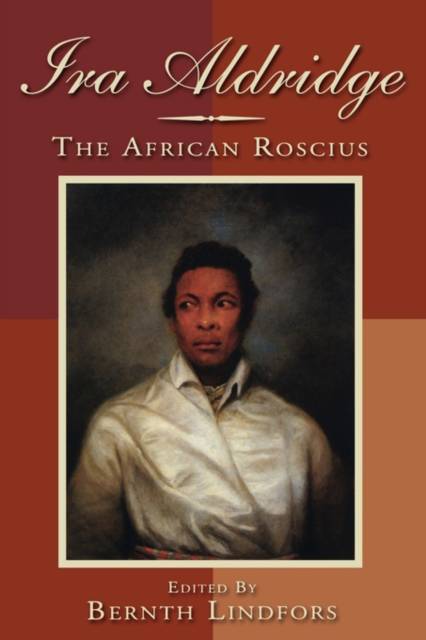
Ira Aldridge -- a black New Yorker -- was one of nineteenth-century Europe's greatest actors. He performed abroad for forty-three years, winning more awards, honors, and official decorations than any of his professional peers. Billed as the "African Roscius," Aldridge developed a repertoire initially consisting of Shakespeare's Othello, melodramas about slavery, and farces that drew on his ability to sing and dance. By the time he began touring in Europe he was principally a Shakespearean actor, playing such classic characters as Shylock, Macbeth, Richard III, and King Lear. Although his frequent public appearances made him the most visible black man in the world by mid-nineteenth century, today Aldridge tends to be a forgotten figure, seldom mentioned in histories of British and European theater. This collection restores the luster to Aldridge's reputation by examining his extraordinary achievements against all odds. The early essays offer biographical information, while later essays examine his critical and popular reception throughout the world. Taken together, these diverse approaches to Aldridge offer a fuller understanding and heightened appreciation of a remarkable man who had an exceptionally interesting life and a spectacular career. Contributors: Cyril Bruyn Andrews, Nikola Batusic, Philip A. Bell, Keith Byerman, Ruth M. Cowhig, Nicholas M. Evans, Joost Groeneboer, Ann Marie Koller, Joyce Green MacDonald, Herbert Marshall, James J. Napier, Krzysztof Sawala, Gunner Sjögren, James McCune Smith, Hazel Waters, and Stanley B. Winters. Bernth Lindfors is professor emeritus of English and African literatures at The University of Texas at Austin.
Specificaties
Betrokkenen
- Auteur(s):
- Uitgeverij:
Inhoud
- Aantal bladzijden:
- 304
- Taal:
- Engels
- Reeks:
- Reeksnummer:
- nr. 28
Eigenschappen
- Productcode (EAN):
- 9781580463744
- Verschijningsdatum:
- 1/12/2010
- Uitvoering:
- Paperback
- Formaat:
- Trade paperback (VS)
- Afmetingen:
- 152 mm x 229 mm
- Gewicht:
- 449 g


Alleen bij Standaard Boekhandel
+ 112 punten op je klantenkaart van Standaard Boekhandel
Cadeau

AANGERADEN


Beoordelingen
We publiceren alleen reviews die voldoen aan de voorwaarden voor reviews. Bekijk onze voorwaarden voor reviews.