


- Afhalen na 1 uur in een winkel met voorraad
- Gratis thuislevering in België vanaf € 30
- Ruim aanbod met 7 miljoen producten
- Afhalen na 1 uur in een winkel met voorraad
- Gratis thuislevering in België vanaf € 30
- Ruim aanbod met 7 miljoen producten





€ 6,93
+ 6 punten
Uitvoering
Omschrijving
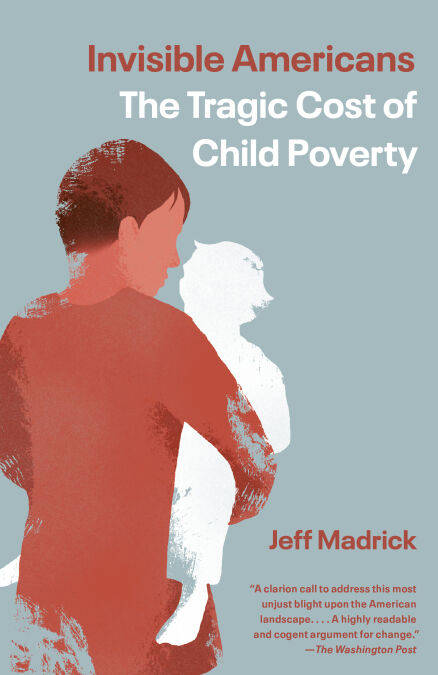
"A clarion call to address this most unjust blight upon the American landscape. Madrick has provided a valuable service in presenting a highly readable and cogent argument for change."--Mark R. Rank, The Washington Post
By official count, more than one out of every six American children live beneath the poverty line. But statistics alone tell little of the story. In Invisible Americans, Jeff Madrick brings to light the often invisible reality and irreparable damage of child poverty in America. Keeping his focus on the children, he examines the roots of the problem, including the toothless remnants of our social welfare system, entrenched racism, and a government unmotivated to help the most voiceless citizens. Backed by new and unambiguous research, he makes clear the devastating consequences of growing up poor: living in poverty, even temporarily, is detrimental to cognitive abilities, emotional control, and the overall health of children. The cost to society is incalculable. The inaction of politicians is unacceptable. Still, Madrick argues, there may be more reason to hope now than ever before. Rather than attempting to treat the symptoms of poverty, we might be able to ameliorate its worst effects through a single, simple, and politically feasible policy that he lays out in this impassioned and urgent call to arms.
By official count, more than one out of every six American children live beneath the poverty line. But statistics alone tell little of the story. In Invisible Americans, Jeff Madrick brings to light the often invisible reality and irreparable damage of child poverty in America. Keeping his focus on the children, he examines the roots of the problem, including the toothless remnants of our social welfare system, entrenched racism, and a government unmotivated to help the most voiceless citizens. Backed by new and unambiguous research, he makes clear the devastating consequences of growing up poor: living in poverty, even temporarily, is detrimental to cognitive abilities, emotional control, and the overall health of children. The cost to society is incalculable. The inaction of politicians is unacceptable. Still, Madrick argues, there may be more reason to hope now than ever before. Rather than attempting to treat the symptoms of poverty, we might be able to ameliorate its worst effects through a single, simple, and politically feasible policy that he lays out in this impassioned and urgent call to arms.
Specificaties
Betrokkenen
- Auteur(s):
- Uitgeverij:
Inhoud
- Aantal bladzijden:
- 240
- Taal:
- Engels
Eigenschappen
- Productcode (EAN):
- 9780451494191
- Verschijningsdatum:
- 27/01/2020
- Uitvoering:
- E-book
- Beveiligd met:
- Adobe DRM
- Formaat:
- ePub


Alleen bij Standaard Boekhandel
+ 6 punten op je klantenkaart van Standaard Boekhandel

Beoordelingen
We publiceren alleen reviews die voldoen aan de voorwaarden voor reviews. Bekijk onze voorwaarden voor reviews.