


- Afhalen na 1 uur in een winkel met voorraad
- Gratis thuislevering in België vanaf € 30
- Ruim aanbod met 7 miljoen producten
- Afhalen na 1 uur in een winkel met voorraad
- Gratis thuislevering in België vanaf € 30
- Ruim aanbod met 7 miljoen producten





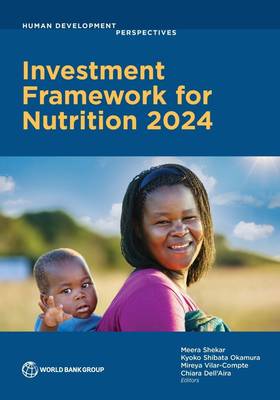
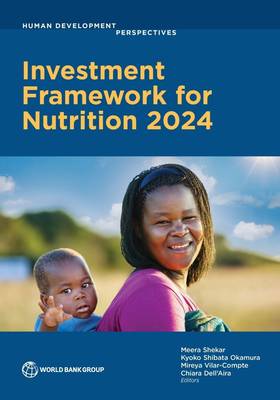
Investment Framework for Nutrition 2024
An Update to the Investment Framework for Nutrition
Meera Shekar, Kyoko Shibata Okamura, Mireya Vilar-Compte, Chiara Dell'Aira
€ 48,95
+ 97 punten
Omschrijving
In 2017, the Investment Framework for Nutrition set the stage for transformative nutrition investments, culminating in strong donor and country commitments at the 2021 Tokyo Nutrition for Growth (N4G) Summit. Now-with only six years left to 2030the world is facing poly-crises, including food and nutrition insecurity, climate shocks, fiscal constraints, and rising rates of overweight, obesity, and non-communicable diseases in low- and middle-income countries. Investing to address global nutrition challenges is more critical than ever. Despite a 44 percent decline in child stunting from 1990 to 2022, 148 million children remain stunted, and malnutrition rates are still high. The global progress is insufficient to meet the Sustainable Development Goals (SDGs), as increasing anemia rates among women of reproductive age, stagnating rates of child stunting, wasting, low birthweight, and rising childhood and adult obesity rates persist. This report provides an update to the Investment Framework for Nutrition, broadening its focus to include low birthweight and obesity, while incorporating policy considerations, operational guidance for country-level implementation, and gender and climate change perspectives. Financially, an additional $X billion annually is needed to meet global nutrition targets, particularly in Sub-Saharan Africa and South Asia. The economic benefits of scaling up nutrition interventions far outweigh the costs, offering substantial returns on investment. Innovative financing mechanisms, including private sector engagement and climate funds together with measures to enhance the efficiency of the existing financing, are vital to bridging the funding gap. A global effort is essential to renew financial commitments, explore new funding avenues, and drive nutrition-positive investments, ultimately enhancing health, human capital, economic growth, and sustainability.
Specificaties
Betrokkenen
- Auteur(s):
- Uitgeverij:
Inhoud
- Aantal bladzijden:
- 316
- Taal:
- Engels
- Reeks:
Eigenschappen
- Productcode (EAN):
- 9781464821622
- Verschijningsdatum:
- 3/12/2024
- Uitvoering:
- Paperback
- Formaat:
- Trade paperback (VS)
- Afmetingen:
- 178 mm x 254 mm
- Gewicht:
- 752 g


Alleen bij Standaard Boekhandel
+ 97 punten op je klantenkaart van Standaard Boekhandel
Cadeau

AANGERADEN


Beoordelingen
We publiceren alleen reviews die voldoen aan de voorwaarden voor reviews. Bekijk onze voorwaarden voor reviews.