


- Afhalen na 1 uur in een winkel met voorraad
- Gratis thuislevering in België vanaf € 30
- Ruim aanbod met 7 miljoen producten
- Afhalen na 1 uur in een winkel met voorraad
- Gratis thuislevering in België vanaf € 30
- Ruim aanbod met 7 miljoen producten





€ 36,45
+ 72 punten
Uitvoering
Omschrijving
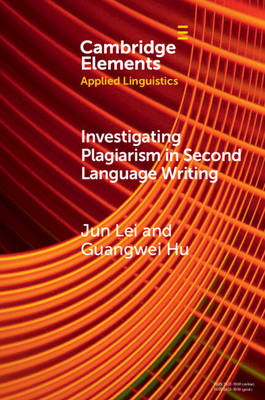
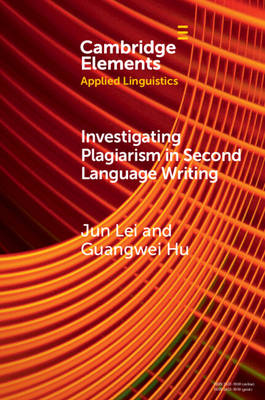
This Element aims to provide a comprehensive and in-depth exploration of the issue of plagiarism in second language writing. It first outlines the importance of plagiarism as a real-world issue cutting across educational and cultural contexts and touches upon several prominent controversies over the issue. Then the Element defines and conceptualises plagiarism by critically examining the diverse extant definitions and discussing various discourses on plagiarism. Following that, it explores L2 students' perceptions of and stances on plagiarism, and identifies factors that contribute to L2 students' plagiarism. Informed by the current theoretical and empirical research, the Element critically evaluates three major approaches to dealing with plagiarism and, based on the critical evaluation, proposes pedagogical activities and strategies for fostering L2 students' intertextual competence. Finally, the Element calls for a reconceptualisation of plagiarism that embraces a multidimensional approach to dealing with plagiarism in second language writing, and outlines directions for further research.
Specificaties
Betrokkenen
- Auteur(s):
- Uitgeverij:
Inhoud
- Aantal bladzijden:
- 60
- Taal:
- Engels
- Reeks:
Eigenschappen
- Productcode (EAN):
- 9781009350853
- Verschijningsdatum:
- 16/01/2025
- Uitvoering:
- Paperback
- Formaat:
- Trade paperback (VS)
- Afmetingen:
- 152 mm x 229 mm
- Gewicht:
- 95 g


Alleen bij Standaard Boekhandel
+ 72 punten op je klantenkaart van Standaard Boekhandel
Cadeau

AANGERADEN


Beoordelingen
We publiceren alleen reviews die voldoen aan de voorwaarden voor reviews. Bekijk onze voorwaarden voor reviews.