


- Afhalen na 1 uur in een winkel met voorraad
- Gratis thuislevering in België vanaf € 30
- Ruim aanbod met 7 miljoen producten
- Afhalen na 1 uur in een winkel met voorraad
- Gratis thuislevering in België vanaf € 30
- Ruim aanbod met 7 miljoen producten





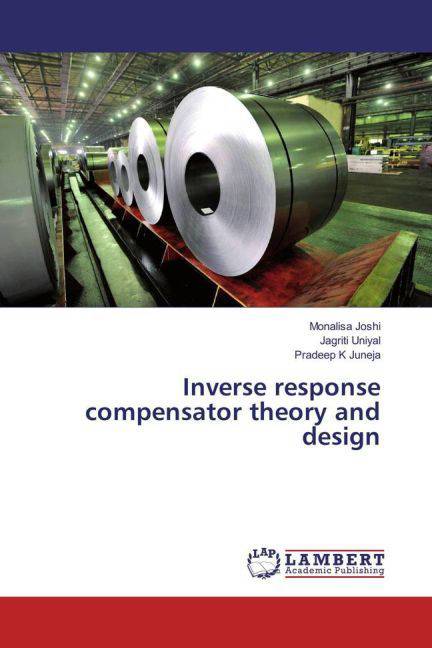
Inverse response compensator theory and design
Monalisa Joshi, Jagriti Uniyal, Pradeep K Juneja
Paperback | Engels
€ 35,45
+ 70 punten
Omschrijving
Process control in engineering is thereby defined as the system that deals with the architecture, mechanism and algorithm for maintaining the output of the certain process with in desired range. Process control is highly used in industries with mass production which deals with the continuous processes like chemical industries, power plant, mills and many other companies. During the normal range of operation many processes shows inverse response, which is very common in the engineering practices. Inverse response processes can be defined as the process showing the initial step response in the opposite direction of the final direction. These responses are not uncommon in the processes control but need to be compensated for the better response of the process. It has become necessary in the process industries to compensate the inverse response for the better response of the system. This book highlights the causes and effects of inverse response and also suggests the improvement strategy by design of inverse response compensator.
Specificaties
Betrokkenen
- Auteur(s):
- Uitgeverij:
Inhoud
- Aantal bladzijden:
- 52
- Taal:
- Engels
Eigenschappen
- Productcode (EAN):
- 9783659932489
- Uitvoering:
- Paperback
- Afmetingen:
- 150 mm x 220 mm


Alleen bij Standaard Boekhandel
+ 70 punten op je klantenkaart van Standaard Boekhandel
Wedstrijd


Beoordelingen
We publiceren alleen reviews die voldoen aan de voorwaarden voor reviews. Bekijk onze voorwaarden voor reviews.