


- Afhalen na 1 uur in een winkel met voorraad
- Gratis thuislevering in België vanaf € 30
- Ruim aanbod met 7 miljoen producten
- Afhalen na 1 uur in een winkel met voorraad
- Gratis thuislevering in België vanaf € 30
- Ruim aanbod met 7 miljoen producten




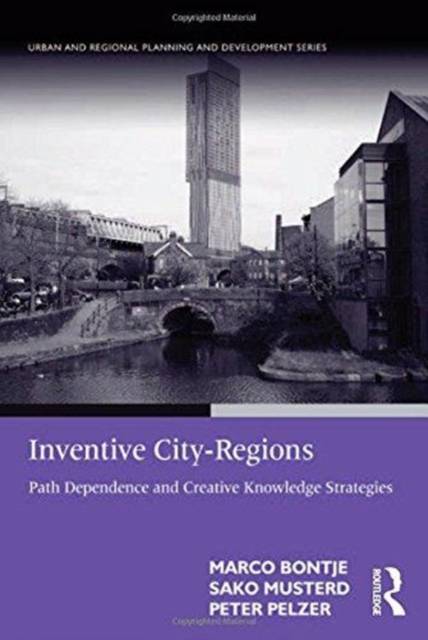
Inventive City-Regions
Path Dependence and Creative Knowledge Strategies
Marco Bontje, Sako Musterd
Paperback | Engels
€ 105,45
+ 210 punten
Omschrijving
Virtually every city-region in West and Central Europe has developed policies and strategies to attract, retain and encourage creative industries and knowledge-intensive services. Since most of these citiy-regions tend to see a creative knowledge economy as 'the best bet for the future', one of the main goals of such policies and strategies is increasing the international competitiveness of their city-region. Using the cities of Amsterdam, Barcelona, Birmingham, Helsinki, Leipzig, Manchester, and Munich as case studies, this book explores the spatial, economic, historical, socio-demographic, socio-cultural and political conditions that may determine whether a city-region is or can become attractive for creative and knowledge-intensive companies, and for the talented people working for or founding these companies. A comparison of the case studies and an overview of the key findings, similarities and differences which lead to policy recommendations as well as suggested directions for further research will make this book attractive to urban and regional academics, planners and students.
Specificaties
Betrokkenen
- Auteur(s):
- Uitgeverij:
Inhoud
- Aantal bladzijden:
- 278
- Taal:
- Engels
Eigenschappen
- Productcode (EAN):
- 9781138269880
- Verschijningsdatum:
- 9/09/2016
- Uitvoering:
- Paperback
- Formaat:
- Trade paperback (VS)
- Afmetingen:
- 156 mm x 234 mm
- Gewicht:
- 394 g


Alleen bij Standaard Boekhandel
+ 210 punten op je klantenkaart van Standaard Boekhandel
CADEAU


Beoordelingen
We publiceren alleen reviews die voldoen aan de voorwaarden voor reviews. Bekijk onze voorwaarden voor reviews.