


- Afhalen na 1 uur in een winkel met voorraad
- Gratis thuislevering in België vanaf € 30
- Ruim aanbod met 7 miljoen producten
- Afhalen na 1 uur in een winkel met voorraad
- Gratis thuislevering in België vanaf € 30
- Ruim aanbod met 7 miljoen producten





€ 148,95
+ 297 punten
Eenvoudig bestellen
Veilig betalen


Gratis thuislevering vanaf € 30 (via bpost)
Gratis levering in je Standaard Boekhandel
Omschrijving
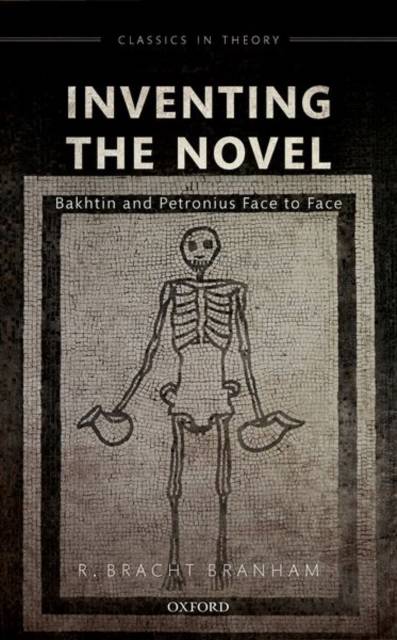
Inventing the Novel uses the work of the Russian philosopher Mikhail Bakhtin (1895-1975) to explore the ancient origins of the modern novel. The analysis focuses on one of the most elusive works of classical antiquity, the Satyrica, written by Nero's courtier, Petronius Arbiter (whose singular suicide, described by Tacitus, is as famous as his novel). Petronius was the most lauded ancient novelist of the twentieth century and the Satyrica served as the original model for F. Scott Fitzgerald's The Great Gatsby (1925), as well as providing the epigraph for T. S. Eliot's The Waste Land (1922), and the basis for Fellini Satyricon (1969). Bakhtin's work on the novel was deeply informed by his philosophical views: if, as a phenomenologist, he is a philosopher of consciousness, as a student of the novel, he is a philosopher of the history of consciousness, and it is the role of the novel in this history that held his attention. This volume seeks to lay out an argument in four parts that supports Bakhtin's sweeping assertion that the Satyrica plays an "immense" role in the history of the novel, beginning in Chapter 1 with his equally striking claim that the novel originates as a new way of representing time and proceeding to the question of polyphony in Petronius and the ancient novel.
Specificaties
Betrokkenen
- Auteur(s):
- Uitgeverij:
Inhoud
- Aantal bladzijden:
- 242
- Taal:
- Engels
- Reeks:
Eigenschappen
- Productcode (EAN):
- 9780198841265
- Verschijningsdatum:
- 27/01/2020
- Uitvoering:
- Hardcover
- Formaat:
- Genaaid
- Afmetingen:
- 140 mm x 221 mm
- Gewicht:
- 408 g


Alleen bij Standaard Boekhandel
+ 297 punten op je klantenkaart van Standaard Boekhandel
CADEAU

AANGERADEN


Beoordelingen
We publiceren alleen reviews die voldoen aan de voorwaarden voor reviews. Bekijk onze voorwaarden voor reviews.