


- Afhalen na 1 uur in een winkel met voorraad
- Gratis thuislevering in België vanaf € 30
- Ruim aanbod met 7 miljoen producten
- Afhalen na 1 uur in een winkel met voorraad
- Gratis thuislevering in België vanaf € 30
- Ruim aanbod met 7 miljoen producten





€ 56,45
+ 112 punten
Omschrijving
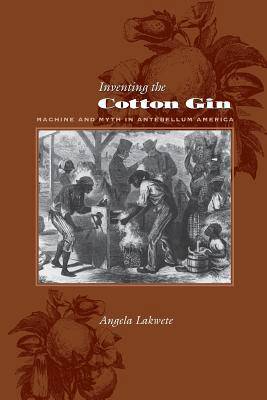
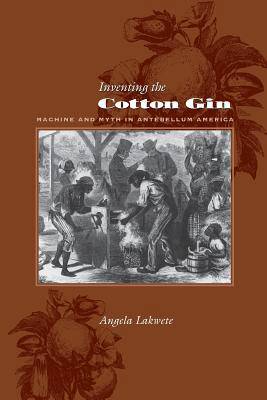
"The cotton gin animates the American imagination in unique ways. It evokes no images of antique machinery or fluffy fiber but rather scenes of victimized slaves and battlefield dead. It provokes the suspicion that had Eli Whitney never invented the gin, United States history would have been somehow different. Yet cotton gins existed for centuries before Whitney invented his gin in 1794. Nineteenth-century scholars overlooked them as well as gins made by southern-and northern-mechanics, in order to create a history meant to chasten some southerners and demean others. Using the gin as evidence, they read failure back from the Civil War into the choices that southerners made from the American Revolution, tracing the steps that led them to Appomattox." In Inventing the Cotton Gin, Lakwete explores the history of the cotton gin as an aspect of global history and an artifact of southern industrial development. She examines gin invention and innovation in Asia and Africa from the earliest evidence to the seventeenth century, when British colonizers introduced an Asian hand-cranked roller gin to the Americas. Lakwete shows how indentured British, and later enslaved Africans, built and used foot-powered models to process the cotton they grew for export. After Eli Whitney patented his wire-toothed gin, southern mechanics transformed it into the saw gin, offering stiff competition to northern manufacturers. Far from being a record of southern failure, Lakwete concludes, the cotton gin-correctly understood-supplies evidence that the slave labor-based antebellum South innovated, industrialized, and modernized.
Specificaties
Betrokkenen
- Auteur(s):
- Uitgeverij:
Inhoud
- Aantal bladzijden:
- 248
- Taal:
- Engels
- Reeks:
Eigenschappen
- Productcode (EAN):
- 9780801882722
- Verschijningsdatum:
- 1/10/2005
- Uitvoering:
- Paperback
- Formaat:
- Trade paperback (VS)
- Afmetingen:
- 156 mm x 229 mm
- Gewicht:
- 453 g


Alleen bij Standaard Boekhandel
+ 112 punten op je klantenkaart van Standaard Boekhandel
Cadeau

AANGERADEN


Beoordelingen
We publiceren alleen reviews die voldoen aan de voorwaarden voor reviews. Bekijk onze voorwaarden voor reviews.