


- Afhalen na 1 uur in een winkel met voorraad
- Gratis thuislevering in België vanaf € 30
- Ruim aanbod met 7 miljoen producten
- Afhalen na 1 uur in een winkel met voorraad
- Gratis thuislevering in België vanaf € 30
- Ruim aanbod met 7 miljoen producten





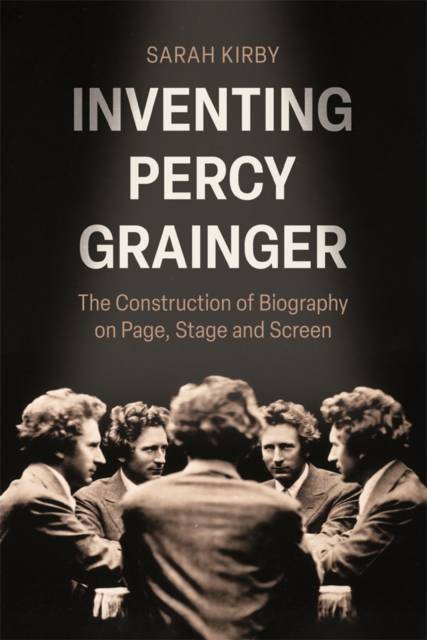
Inventing Percy Grainger
The Construction of Biography on Page, Stage and Screen
Sarah Kirby
Hardcover | Engels
€ 193,45
+ 386 punten
Omschrijving
Investigates the dialogue and tensions between Percy Grainger's public biography and his self-conscious autobiographical construction via his own writings and autobiographical museum. The Australian-American composer Percy Grainger (1882-1961) described himself as an 'all round man': composer, pianist, artist, inventor, linguist, ethnographer, essayist, and more. He also went to great lengths to shape his own biographical narrative, developing an eccentric public persona in the press, writing extensive autobiographical texts and establishing a vast autobiographical museum. But what happens when this self-fashioned narrative meets writers, scholars, and creatives in the decades since his death? This book traces the construction and negotiation of Grainger's biography on page, stage and screen through the twentieth and twenty-first centuries, exploring the tensions and dialogue between these and Grainger's autobiographical self. Through a series of case studies, with a focus on works created in Australia, the book explores how Grainger's public persona and received biographical narrative were developed then transformed by other writers, playwrights, filmmakers, and performance artists to suit the changing needs of their own time and place. Examining a variety of texts, from celebrity profiles, obituaries, and traditional academic studies, to film, theatre, opera and poetry, the book offers a biography of an afterlife: a study of how Grainger set up a series of mechanisms to control how his life would be remembered, then tests these against a succession of works that engage directly with those sources.
Specificaties
Betrokkenen
- Auteur(s):
- Uitgeverij:
Inhoud
- Aantal bladzijden:
- 272
- Taal:
- Engels
Eigenschappen
- Productcode (EAN):
- 9781837652211
- Verschijningsdatum:
- 24/02/2026
- Uitvoering:
- Hardcover
- Formaat:
- Genaaid
- Afmetingen:
- 156 mm x 234 mm
- Gewicht:
- 557 g



Alleen bij Standaard Boekhandel
+ 386 punten op je klantenkaart van Standaard Boekhandel
Cadeau

AANGERADEN


Beoordelingen
We publiceren alleen reviews die voldoen aan de voorwaarden voor reviews. Bekijk onze voorwaarden voor reviews.