


- Afhalen na 1 uur in een winkel met voorraad
- Gratis thuislevering in België vanaf € 30
- Ruim aanbod met 7 miljoen producten
- Afhalen na 1 uur in een winkel met voorraad
- Gratis thuislevering in België vanaf € 30
- Ruim aanbod met 7 miljoen producten





€ 79,50
+ 159 punten
Omschrijving
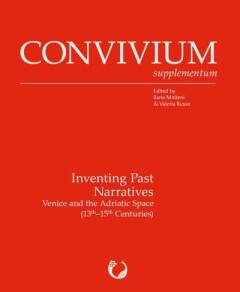
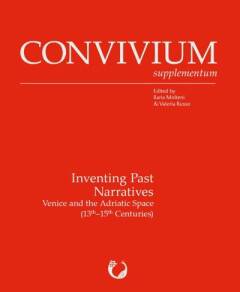
By the late Middle Ages, Venice became the main stage of a national and international myth: while enhancing its historical role in the past, the city tried to demonstrate the legitimacy of its role in the present. In fact, for celebrating its triumph and erasing its weaknesses and defeats, Venice generated a rich repertoire of past narratives that were bringing together heterogeneous materials, by composing unconnected pieces and attributing new meanings to different histories or objects from other pasts. An ambitious goal had to be achieved: that of creating the impression of a unique and grandiose city whose roots were lost in a remote and magnificent past. The result is a patchwork that, through the longue duree approach, has been articulated around both new and ancient stories, local and foreign myths, reconstructed or rediscovered objects and narratives. In order to investigate more precisely the trajectories of the Venetian past narratives, this volume intends to determine, through an interdisciplinary prism, which are the different strategies, objectives, and resources that have been exploited in the framework of these past narratives.
Specificaties
Betrokkenen
- Auteur(s):
- Uitgeverij:
Inhoud
- Aantal bladzijden:
- 2024
- Taal:
- Engels
- Reeks:
- Reeksnummer:
- nr. 14
Eigenschappen
- Productcode (EAN):
- 9788028004644
- Verschijningsdatum:
- 1/02/2024
- Uitvoering:
- Paperback
- Formaat:
- Trade paperback (VS)
- Afmetingen:
- 210 mm x 270 mm
- Gewicht:
- 385 g


Alleen bij Standaard Boekhandel
+ 159 punten op je klantenkaart van Standaard Boekhandel
CADEAU

AANGERADEN


Beoordelingen
We publiceren alleen reviews die voldoen aan de voorwaarden voor reviews. Bekijk onze voorwaarden voor reviews.