


- Afhalen na 1 uur in een winkel met voorraad
- Gratis thuislevering in België vanaf € 30
- Ruim aanbod met 7 miljoen producten
- Afhalen na 1 uur in een winkel met voorraad
- Gratis thuislevering in België vanaf € 30
- Ruim aanbod met 7 miljoen producten





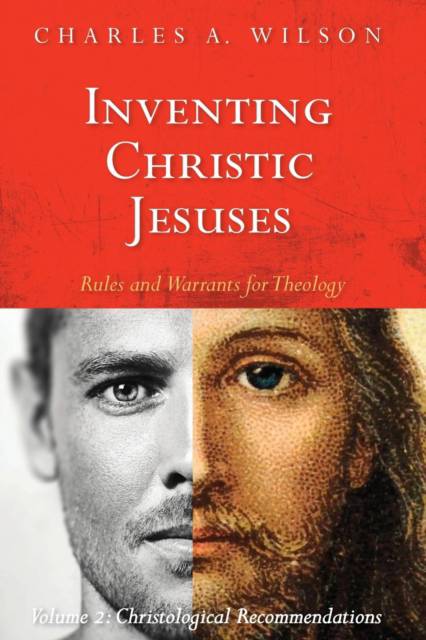
Inventing Christic Jesuses: Rules and Warrants for Theology
Volume 2: Christological Recommendations
Charles A Wilson
Paperback | Engels
€ 54,45
+ 108 punten
Uitvoering
Omschrijving
In the first comprehensive proposal for revisionist theology's deployment of historical Jesus research, Inventing Christic Jesuses rejects positions that insulate theology from Jesus research. By setting out theological methods, warrants, and rules, in dialogue with an analysis of the Jesus historians of the Third Quest (c. 1980-2010), the study charts a path toward a quested christology positioned between categorical rejection and uncritical acceptance of historical results on Jesus. Volume 1, Method, analyzes the methods and values of historical research on Jesus and identifies the retrojective activity of value production when historians, in conversation with historical sources, invent images of Jesus. Volume 2, Christological Recommendations, gathers potential contributions of Jesus research for revisionist theology according to the cataphatic, apophatic, and eminent pattern of classical theology. By attending to the limits and opportunities afforded by historical research, both negative and positive, the argument retrieves for theology the complex way that historians shape same and different, association and dissociation in the production of their Jesuses. Then it analyzes how values shape Jesuses in a pervasive Narcissus project to invent a self (and a community) through imaging Jesus. Proposing that the disciplined invention of Jesuses is highly useful for theology, the book ends with recommendations for a quested christology.
Specificaties
Betrokkenen
- Auteur(s):
- Uitgeverij:
Inhoud
- Aantal bladzijden:
- 318
- Taal:
- Engels
Eigenschappen
- Productcode (EAN):
- 9781532643019
- Verschijningsdatum:
- 1/11/2018
- Uitvoering:
- Paperback
- Formaat:
- Trade paperback (VS)
- Afmetingen:
- 152 mm x 229 mm
- Gewicht:
- 462 g


Alleen bij Standaard Boekhandel
+ 108 punten op je klantenkaart van Standaard Boekhandel
Cadeau

AANGERADEN


Beoordelingen
We publiceren alleen reviews die voldoen aan de voorwaarden voor reviews. Bekijk onze voorwaarden voor reviews.