


- Afhalen na 1 uur in een winkel met voorraad
- Gratis thuislevering in België vanaf € 30
- Ruim aanbod met 7 miljoen producten
- Afhalen na 1 uur in een winkel met voorraad
- Gratis thuislevering in België vanaf € 30
- Ruim aanbod met 7 miljoen producten





€ 15,00
+ 30 punten
Omschrijving
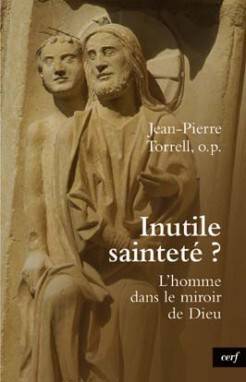
« Que faites-vous pour un être que vous aimez ? - Je fais de lui un portrait, et je veille à ce qu'il lui ressemble. - Comment cela ? C'est le portrait qui doit être ressemblant. - Non, l'homme ! » Cette boutade - attribuée à Bertolt Brecht, l'auteur dramatique bien connu - rejoint d'une manière frappante l'histoire de la création de l'homme telle que la raconte le sculpteur de Chartres. Dieu le Père façonne avec amour le visage d'Adam. Mais on le voit déjà avant cela en train de penser à l'être qu'il est sur le point d'appeler à la vie. L'image est bouleversante : la face de l'homme se profile, en flou, un peu en retrait du visage de Dieu. Sur les deux tableaux, la croix du Christ livre la bonne clé de lecture. L'intense recueillement de la face du Père provient du regard qu'il porte sur celui qui sera l'Homme Parfait. C'est d'après lui qu'il façonne le premier homme. Dieu s'est donc fait un portrait de l'homme. Voilà le mystère de notre être et de notre devenir. L'homme peut-il atteindre à la pleine stature que Dieu entrevoit pour lui ? La sainteté n'est rien d'autre que cela. Rien n'est plus inutile. Rien n'est plus nécessaire.
--
‘What do you do for someone you love?' ‘I do a portrait of him, and I make sure he looks like it.' ‘What do you mean? It's the portrait that has to be a good likeness.' ‘No, it's the man!' This joke - attributed to Bertolt Brecht, the well-known playwright - strikingly recalls the story of the creation of man as it is told by the sculptor of Chartres. God the Father lovingly models Adam's face. But we have observed him beforehand, thinking about the being he is about to infuse with life. The image is heartrending: the man's face appears, vaguely, a little behind God's. On the two pictures, it is Christ's cross that provides the key to understand. The intense contemplation of the Father's face comes from the fact that he is contemplating what will be the Perfect Man. He models the first man in his own likeness. So God did a portrait of man. That is the mystery of our being and becoming. Can man reach the full stature that God planned for him? That, quite simply, is what holiness is. Nothing could be more pointless. Nothing could be more essential.
--
‘What do you do for someone you love?' ‘I do a portrait of him, and I make sure he looks like it.' ‘What do you mean? It's the portrait that has to be a good likeness.' ‘No, it's the man!' This joke - attributed to Bertolt Brecht, the well-known playwright - strikingly recalls the story of the creation of man as it is told by the sculptor of Chartres. God the Father lovingly models Adam's face. But we have observed him beforehand, thinking about the being he is about to infuse with life. The image is heartrending: the man's face appears, vaguely, a little behind God's. On the two pictures, it is Christ's cross that provides the key to understand. The intense contemplation of the Father's face comes from the fact that he is contemplating what will be the Perfect Man. He models the first man in his own likeness. So God did a portrait of man. That is the mystery of our being and becoming. Can man reach the full stature that God planned for him? That, quite simply, is what holiness is. Nothing could be more pointless. Nothing could be more essential.
Specificaties
Betrokkenen
- Auteur(s):
- Uitgeverij:
Inhoud
- Aantal bladzijden:
- 207
- Taal:
- Frans
Eigenschappen
- Productcode (EAN):
- 9782204085434
- Verschijningsdatum:
- 27/09/2007
- Uitvoering:
- Paperback
- Afmetingen:
- 124 mm x 194 mm
- Gewicht:
- 220 g


Alleen bij Standaard Boekhandel
+ 30 punten op je klantenkaart van Standaard Boekhandel
Cadeau

AANGERADEN


Beoordelingen
We publiceren alleen reviews die voldoen aan de voorwaarden voor reviews. Bekijk onze voorwaarden voor reviews.