


- Afhalen na 1 uur in een winkel met voorraad
- Gratis thuislevering in België vanaf € 30
- Ruim aanbod met 7 miljoen producten
- Afhalen na 1 uur in een winkel met voorraad
- Gratis thuislevering in België vanaf € 30
- Ruim aanbod met 7 miljoen producten





€ 79,95
+ 159 punten
Omschrijving
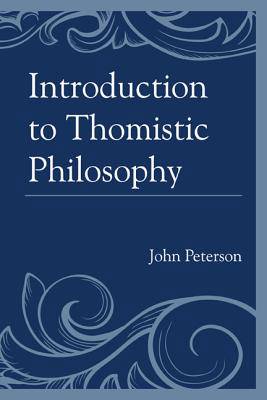
This book introduces readers to Thomistic philosophy through selected topics such as being, God, teleology, truth, persons and knowledge, ethics, and universals. John Peterson discusses metaphysics and the essence-existence distinction and presents what he believes is Aquinas' strongest theistic proof. He offers a new defense Aquinas' idea of natural ends based on the distinction between immanent and transient change. Unveiling the complexity of Aquinas' account of truth, Peterson shows the hierarchical levels of truth in the thought of St. Thomas. The book explains why Aquinas would reject Cartesian dualism as well as both materialism and epiphenomenalism on the body-mind issue. Defending the basis of Aquinas' natural-law ethics, Introduction to Thomistic Philosophy reveals the role of universalizability and the relation of right and good in his ethics.
Specificaties
Betrokkenen
- Auteur(s):
- Uitgeverij:
Inhoud
- Aantal bladzijden:
- 138
- Taal:
- Engels
Eigenschappen
- Productcode (EAN):
- 9780761859864
- Verschijningsdatum:
- 14/12/2012
- Uitvoering:
- Paperback
- Formaat:
- Trade paperback (VS)
- Afmetingen:
- 150 mm x 226 mm
- Gewicht:
- 362 g


Alleen bij Standaard Boekhandel
+ 159 punten op je klantenkaart van Standaard Boekhandel
Cadeau

AANGERADEN


Beoordelingen
We publiceren alleen reviews die voldoen aan de voorwaarden voor reviews. Bekijk onze voorwaarden voor reviews.