


- Afhalen na 1 uur in een winkel met voorraad
- Gratis thuislevering in België vanaf € 30
- Ruim aanbod met 7 miljoen producten
- Afhalen na 1 uur in een winkel met voorraad
- Gratis thuislevering in België vanaf € 30
- Ruim aanbod met 7 miljoen producten





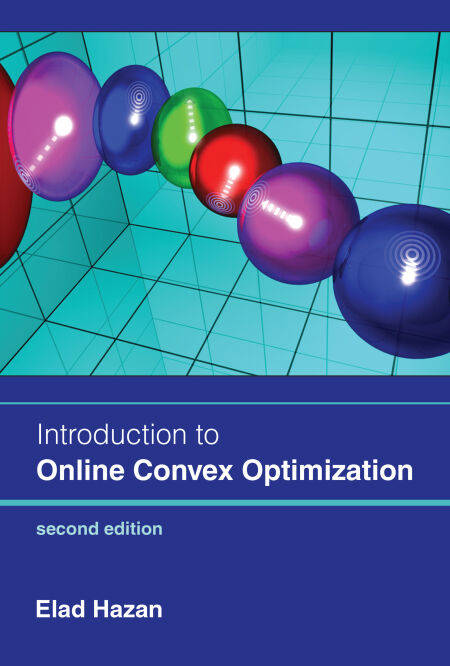
Introduction to Online Convex Optimization, second edition E-BOOK
Elad Hazan
€ 59,14
+ 59 punten
Uitvoering
Eenvoudig bestellen
Veilig betalen


Onmiddellijk geleverd via e-mail
Omschrijving
New edition of a graduate-level textbook on that focuses on online convex optimization, a machine learning framework that views optimization as a process.
In many practical applications, the environment is so complex that it is not feasible to lay out a comprehensive theoretical model and use classical algorithmic theory and/or mathematical optimization. Introduction to Online Convex Optimization presents a robust machine learning approach that contains elements of mathematical optimization, game theory, and learning theory: an optimization method that learns from experience as more aspects of the problem are observed. This view of optimization as a process has led to some spectacular successes in modeling and systems that have become part of our daily lives.
Based on the “Theoretical Machine Learning” course taught by the author at Princeton University, the second edition of this widely used graduate level text features:
Thoroughly updated material throughout New chapters on boosting, adaptive regret, and approachability and expanded exposition on optimization Examples of applications, including prediction from expert advice, portfolio selection, matrix completion and recommendation systems, SVM training, offered throughout Exercises that guide students in completing parts of proofs
In many practical applications, the environment is so complex that it is not feasible to lay out a comprehensive theoretical model and use classical algorithmic theory and/or mathematical optimization. Introduction to Online Convex Optimization presents a robust machine learning approach that contains elements of mathematical optimization, game theory, and learning theory: an optimization method that learns from experience as more aspects of the problem are observed. This view of optimization as a process has led to some spectacular successes in modeling and systems that have become part of our daily lives.
Based on the “Theoretical Machine Learning” course taught by the author at Princeton University, the second edition of this widely used graduate level text features:
Thoroughly updated material throughout New chapters on boosting, adaptive regret, and approachability and expanded exposition on optimization Examples of applications, including prediction from expert advice, portfolio selection, matrix completion and recommendation systems, SVM training, offered throughout Exercises that guide students in completing parts of proofs
Specificaties
Betrokkenen
- Auteur(s):
- Uitgeverij:
Inhoud
- Aantal bladzijden:
- 248
- Taal:
- Engels
- Reeks:
Eigenschappen
- Productcode (EAN):
- 9780262370127
- Verschijningsdatum:
- 5/09/2022
- Uitvoering:
- E-book
- Beveiligd met:
- Adobe DRM
- Formaat:
- ePub


Alleen bij Standaard Boekhandel
+ 59 punten op je klantenkaart van Standaard Boekhandel
CADEAU

AANGERADEN


Beoordelingen
We publiceren alleen reviews die voldoen aan de voorwaarden voor reviews. Bekijk onze voorwaarden voor reviews.