


- Afhalen na 1 uur in een winkel met voorraad
- Gratis thuislevering in België vanaf € 30
- Ruim aanbod met 7 miljoen producten
- Afhalen na 1 uur in een winkel met voorraad
- Gratis thuislevering in België vanaf € 30
- Ruim aanbod met 7 miljoen producten





€ 27,45
+ 54 punten
Omschrijving
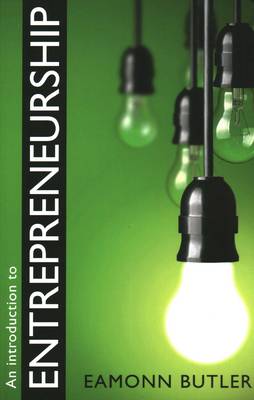
Entrepreneurs play a pivotal role in boosting progress, productivity and prosperity. They drive economic growth and create new opportunities. Their innovations transform people's lives. Yet their enormous contribution is not widely understood - and is often completely overlooked in economics textbooks. Here, author Eamonn Butler sets the record straight - explaining the vital role of entrepreneurship, exploring its economic and social significance, and examining the conditions needed for it to thrive. Along the way, he considers the kind of "unusual" people who become entrepreneurs. Who knew, for example, that Facebook's Mark Zuckerberg, Microsoft founder Bill Gates, Apple co-founder Steve Jobs and Uber founder Travis Kalanick all dropped out of university? Or that Virgin Group founder Sir Richard Branson and IKEA founder Ingvar Kampgrad never went to university at all? An introduction to Entrepreneurship spotlights the strengths of entrepreneurship, whilst acknowledging its shortcomings. It discusses (often-misguided) attempts by governments to foster it. And it eloquently states the case for rehabilitating entrepreneurship into mainstream economics and politics. Above all, it provides an appreciation of - and a basic introduction to - what entrepreneurship is, why we need it, and how we can encourage it.
Specificaties
Betrokkenen
- Auteur(s):
- Uitgeverij:
Inhoud
- Aantal bladzijden:
- 146
- Taal:
- Engels
Eigenschappen
- Productcode (EAN):
- 9780255367943
- Verschijningsdatum:
- 10/11/2020
- Uitvoering:
- Paperback
- Formaat:
- Trade paperback (VS)
- Afmetingen:
- 127 mm x 196 mm
- Gewicht:
- 204 g


Alleen bij Standaard Boekhandel
+ 54 punten op je klantenkaart van Standaard Boekhandel
Cadeau

AANGERADEN


Beoordelingen
We publiceren alleen reviews die voldoen aan de voorwaarden voor reviews. Bekijk onze voorwaarden voor reviews.