


- Afhalen na 1 uur in een winkel met voorraad
- Gratis thuislevering in België vanaf € 30
- Ruim aanbod met 7 miljoen producten
- Afhalen na 1 uur in een winkel met voorraad
- Gratis thuislevering in België vanaf € 30
- Ruim aanbod met 7 miljoen producten





€ 40,45
+ 80 punten
Omschrijving
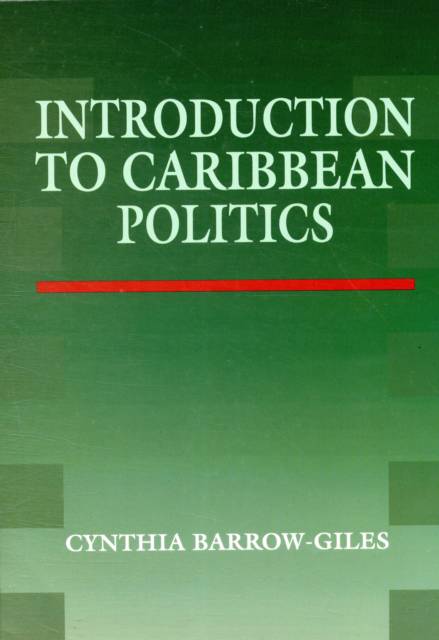
This is an introductory text for students if Caribbean Politics at the undergraduate level. It provides a broad historical sweep from the slave era to the contemporary period, characterised by issues of structural adjustments and globalisation, and in between, the years of worker revolt and protest. The text is structured and presented around a number of core concepts used to analyse Caribbean politics and political systems. Understanding of each concept is aided and enriched by selected readings from both published works as well as original articles specially commissioned for this book. This student-friendly text contains summaries of the key concepts discussed in each section, questions to test students' understanding, suggestions for further reading and a self-assessment section. Key concepts/issues include: 1. Imperialism, Colonialism, Neo-Colonialism, Re-Colonisation 2. Struggles of the working class people 3. The politics of constitutional decolonisation and the Westminster model 4. Party systems and electoral politic 5. Trade Unionism 6. The Politics of change: alternative development strategies 7. Regional integration
Specificaties
Betrokkenen
- Auteur(s):
- Uitgeverij:
Inhoud
- Aantal bladzijden:
- 304
- Taal:
- Engels
Eigenschappen
- Productcode (EAN):
- 9789766370497
- Verschijningsdatum:
- 1/01/2002
- Uitvoering:
- Paperback
- Formaat:
- Trade paperback (VS)
- Afmetingen:
- 178 mm x 254 mm
- Gewicht:
- 530 g


Alleen bij Standaard Boekhandel
+ 80 punten op je klantenkaart van Standaard Boekhandel
CADEAU

AANGERADEN


Beoordelingen
We publiceren alleen reviews die voldoen aan de voorwaarden voor reviews. Bekijk onze voorwaarden voor reviews.