


- Afhalen na 1 uur in een winkel met voorraad
- Gratis thuislevering in België vanaf € 30
- Ruim aanbod met 7 miljoen producten
- Afhalen na 1 uur in een winkel met voorraad
- Gratis thuislevering in België vanaf € 30
- Ruim aanbod met 7 miljoen producten





€ 101,95
+ 203 punten
Eenvoudig bestellen
Veilig betalen


Gratis thuislevering vanaf € 30 (via bpost)
Gratis levering in je Standaard Boekhandel
Omschrijving
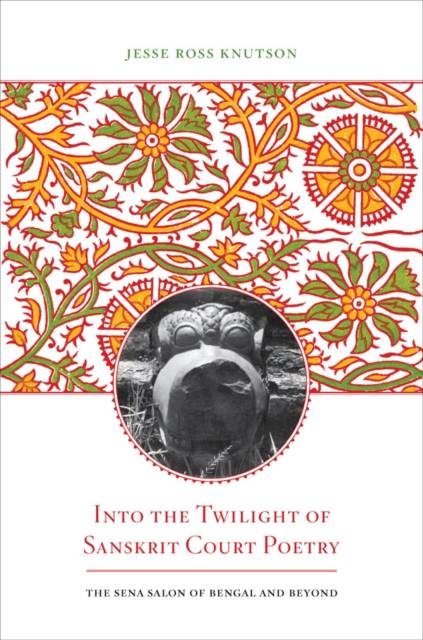
At the turn of the twelfth-century into the thirteenth, at the court of King Laksmanasena of Bengal, Sanskrit poetry showed profound and sudden changes: a new social scope made its definitive entrance into high literature. Courtly and pastoral, rural and urban, cosmopolitan and vernacular confronted each other in a commingling of high and low styles. A literary salon in what is now Bangladesh, at the eastern extreme of the nexus of regional courtly cultures that defined the age, seems to have implicitly reformulated its entire literary system in the context of the imminent breakdown of the old courtly world, as Turkish power expanded and redefined the landscape. Through close readings of a little-known corpus of texts from eastern India, this ambitious book demonstrates how a local and rural sensibility came to infuse the cosmopolitan language of Sanskrit, creating a regional literary idiom that would define the emergence of the Bengali language and its literary traditions.
Specificaties
Betrokkenen
- Auteur(s):
- Uitgeverij:
Inhoud
- Aantal bladzijden:
- 224
- Taal:
- Engels
- Reeks:
Eigenschappen
- Productcode (EAN):
- 9780520282056
- Verschijningsdatum:
- 14/03/2014
- Uitvoering:
- Hardcover
- Formaat:
- Genaaid
- Afmetingen:
- 157 mm x 229 mm
- Gewicht:
- 430 g



Alleen bij Standaard Boekhandel
+ 203 punten op je klantenkaart van Standaard Boekhandel
CADEAU

AANGERADEN


Beoordelingen
We publiceren alleen reviews die voldoen aan de voorwaarden voor reviews. Bekijk onze voorwaarden voor reviews.