



Je cadeautjes zeker op tijd in huis hebben voor de feestdagen? Kom langs in onze winkels en vind het perfecte geschenk!
- Afhalen na 1 uur in een winkel met voorraad
- Gratis thuislevering in België vanaf € 30
- Ruim aanbod met 7 miljoen producten
Je cadeautjes zeker op tijd in huis hebben voor de feestdagen? Kom langs in onze winkels en vind het perfecte geschenk!
- Afhalen na 1 uur in een winkel met voorraad
- Gratis thuislevering in België vanaf € 30
- Ruim aanbod met 7 miljoen producten





€ 47,45
+ 94 punten
Uitvoering
Omschrijving
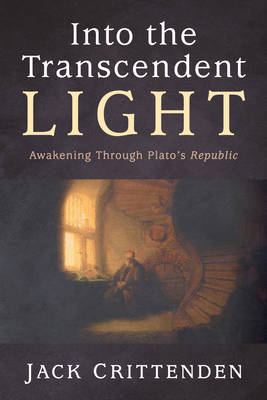
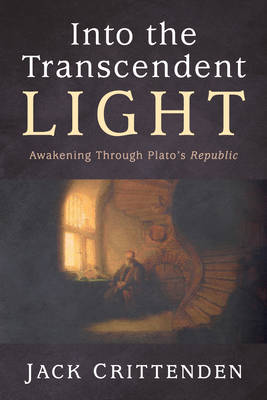
Each year, worldwide, people spend millions of dollars on self-help books, motivational lectures, and life coaches, trying to improve their lives. What people don't realize is that 2,500 years ago Plato, one of our greatest philosophers, provided a guide on how to integrate mind, body, and spirit as the means for living a flourishing life. That guide is Plato's dialogue the Republic. But modern readers miss the relevance of Plato's central message. Why? They miss it because Plato has Socrates, considered the wisest man in all of ancient Greece, fill the Republic with bad arguments. Readers follow those bad arguments and conclude that the Republic is about the constitution of an ideal society. Instead, the Republic is about how to constitute character to live that flourishing life. In this work of creative nonfiction, through a fictitious conversation between Plato and three of his students, Jack Crittenden explores and redeems those bad arguments. By doing so, and by reinforcing his interpretation with excerpts from the Tao Te Ching and the Upanishads, Crittenden shows that all of us, and not just philosophers, can learn from the Republic how to live authentic, rich, full lives by searching out the transcendent light.
Specificaties
Betrokkenen
- Auteur(s):
- Uitgeverij:
Inhoud
- Aantal bladzijden:
- 266
- Taal:
- Engels
Eigenschappen
- Productcode (EAN):
- 9798385235902
- Verschijningsdatum:
- 13/11/2025
- Uitvoering:
- Paperback
- Formaat:
- Trade paperback (VS)
- Afmetingen:
- 152 mm x 229 mm
- Gewicht:
- 362 g


Alleen bij Standaard Boekhandel
+ 94 punten op je klantenkaart van Standaard Boekhandel
CADEAU


Beoordelingen
We publiceren alleen reviews die voldoen aan de voorwaarden voor reviews. Bekijk onze voorwaarden voor reviews.