


- Afhalen na 1 uur in een winkel met voorraad
- Gratis thuislevering in België vanaf € 30
- Ruim aanbod met 7 miljoen producten
- Afhalen na 1 uur in een winkel met voorraad
- Gratis thuislevering in België vanaf € 30
- Ruim aanbod met 7 miljoen producten





€ 53,45
+ 106 punten
Omschrijving
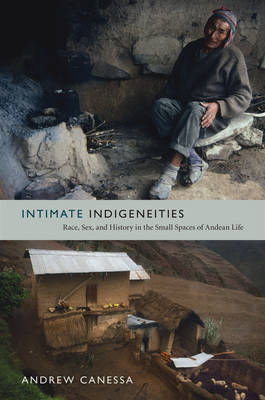
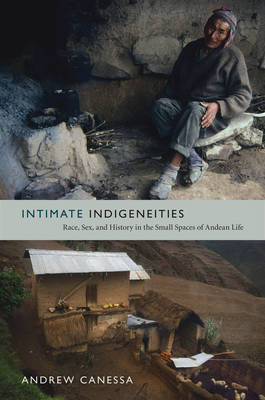
Drawing on extended ethnographic research conducted over the course of more than two decades, Andrew Canessa explores the multiple identities of a community of people in the Bolivian highlands through their own lived experiences and voices. He examines how gender, race, and ethnic identities manifest themselves in everyday interactions in the Aymara village. Canessa shows that indigeneity is highly contingent; thoroughly imbricated with gendered, racial, and linguistic identities; and informed by a historical consciousness. Addressing how whiteness and indianness are reproduced as hegemonic structures in the village, how masculinities develop as men go to the mines and army, and how memories of a violent past are used to construct a present sense of community, Canessa raises important questions about indigenous politics and the very nature of indigenous identity.
Specificaties
Betrokkenen
- Auteur(s):
- Uitgeverij:
Inhoud
- Aantal bladzijden:
- 344
- Taal:
- Engels
- Reeks:
Eigenschappen
- Productcode (EAN):
- 9780822352679
- Verschijningsdatum:
- 26/11/2012
- Uitvoering:
- Paperback
- Formaat:
- Trade paperback (VS)
- Afmetingen:
- 155 mm x 231 mm
- Gewicht:
- 476 g


Alleen bij Standaard Boekhandel
+ 106 punten op je klantenkaart van Standaard Boekhandel
Cadeau

AANGERADEN


Beoordelingen
We publiceren alleen reviews die voldoen aan de voorwaarden voor reviews. Bekijk onze voorwaarden voor reviews.