


- Afhalen na 1 uur in een winkel met voorraad
- Gratis thuislevering in België vanaf € 30
- Ruim aanbod met 7 miljoen producten
- Afhalen na 1 uur in een winkel met voorraad
- Gratis thuislevering in België vanaf € 30
- Ruim aanbod met 7 miljoen producten





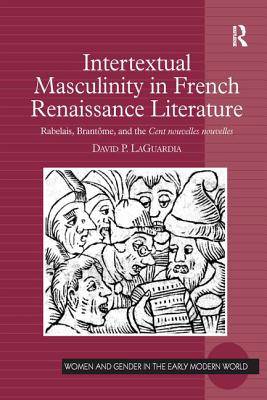
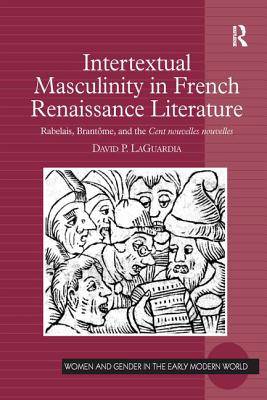
Intertextual Masculinity in French Renaissance Literature
David P Laguardia
€ 112,95
+ 225 punten
Uitvoering
Omschrijving
Intertextual Masculinity in French Renaissance Literature is an in-depth analysis of normative masculinity in a specific corpus from pre-modern Europe: narrative literature devoted to the subject of adultery and cuckoldry. The text begins with a set of general questions that serve as a conceptual framework for the literary analyses that follow: why were early modern readers so fascinated by the figure of the cuckold? What was his relation to the real world of sexual behavior and gender relations? What effect did he have on the construction of actual masculinities? To respond to these questions, David LaGuardia develops a theoretical approach that is based both on modern critical theory and on close readings of records and documents from the period. Reading early modern legal texts, penance manuals, criminal registers, and exempla collections in relation to the Cent nouvelles nouvelles, Rabelais's Tiers Livre, and Brantôme's Dames galantes, LaGuardia formulates a definition of masculinity in this historical context as a set of intertextual practices that men used to relay and to reinforce their gender identities. By examining legal and literary artifacts from this particular period and culture, this study highlights the extent to which this supposedly normative masculinity was historically contingent and materially conditioned by generic practices.
Specificaties
Betrokkenen
- Auteur(s):
- Uitgeverij:
Inhoud
- Aantal bladzijden:
- 262
- Taal:
- Engels
- Reeks:
Eigenschappen
- Productcode (EAN):
- 9781138245495
- Verschijningsdatum:
- 3/10/2016
- Uitvoering:
- Paperback
- Formaat:
- Trade paperback (VS)
- Afmetingen:
- 156 mm x 234 mm
- Gewicht:
- 371 g


Alleen bij Standaard Boekhandel
+ 225 punten op je klantenkaart van Standaard Boekhandel
Cadeau

AANGERADEN


Beoordelingen
We publiceren alleen reviews die voldoen aan de voorwaarden voor reviews. Bekijk onze voorwaarden voor reviews.