



Je cadeautjes zeker op tijd in huis hebben voor de feestdagen? Kom langs in onze winkels en vind het perfecte geschenk!
- Afhalen na 1 uur in een winkel met voorraad
- Gratis thuislevering in België vanaf € 30
- Ruim aanbod met 7 miljoen producten
Je cadeautjes zeker op tijd in huis hebben voor de feestdagen? Kom langs in onze winkels en vind het perfecte geschenk!
- Afhalen na 1 uur in een winkel met voorraad
- Gratis thuislevering in België vanaf € 30
- Ruim aanbod met 7 miljoen producten





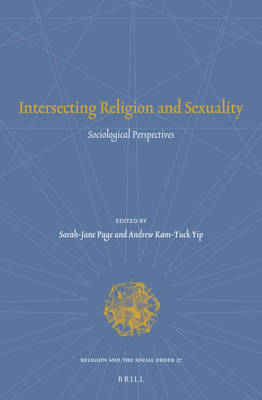
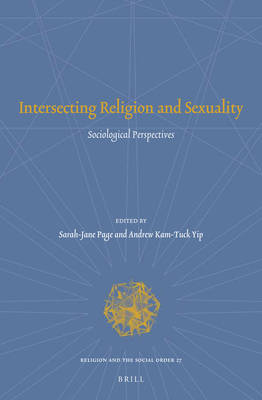
Intersecting Religion and Sexuality
Sociological Perspectives
€ 297,95
+ 595 punten
Omschrijving
Listen to the podcast on Chapter 2: Ethnicity, Gender and Class in the Experiences of Gay Muslims
This edited collection, Intersecting Religion and Sexuality: Sociological Perspectives, outlines what an intersectional analysis can offer research into religion and sexuality. It draws on various research projects which focus on different facets of this topic, such as queer sexualities, unmarried motherhood and heterosexuality, to explore how religion and sexuality intersect with each other, and with other identities such as ethnicity, gender and social class. Given the predominantly heteronormative nature of many religious traditions, marginality, power dynamics and inequalities are central to these interrogations. Intersectionality is an important theoretical lens through which to explore identities that are variously impacted by particular power dynamics and axes of privilege and disadvantage.
Contributors are George Okechukwu Amakor, Rebecca Barrett-Fox, Christopher Brittain, Katie Gaddini, Dorota Hall, Emmanuele Lazzara, Andrew McKinnon, Teguh Wijaya Mulya, Sarah-Jane Page, Shanon Shah, Heather Shipley, Alex Toft, Andrew Kam-Tuck Yip, Pamela Dickey Young.
This edited collection, Intersecting Religion and Sexuality: Sociological Perspectives, outlines what an intersectional analysis can offer research into religion and sexuality. It draws on various research projects which focus on different facets of this topic, such as queer sexualities, unmarried motherhood and heterosexuality, to explore how religion and sexuality intersect with each other, and with other identities such as ethnicity, gender and social class. Given the predominantly heteronormative nature of many religious traditions, marginality, power dynamics and inequalities are central to these interrogations. Intersectionality is an important theoretical lens through which to explore identities that are variously impacted by particular power dynamics and axes of privilege and disadvantage.
Contributors are George Okechukwu Amakor, Rebecca Barrett-Fox, Christopher Brittain, Katie Gaddini, Dorota Hall, Emmanuele Lazzara, Andrew McKinnon, Teguh Wijaya Mulya, Sarah-Jane Page, Shanon Shah, Heather Shipley, Alex Toft, Andrew Kam-Tuck Yip, Pamela Dickey Young.
Specificaties
Betrokkenen
- Uitgeverij:
Inhoud
- Aantal bladzijden:
- 264
- Taal:
- Engels
- Reeks:
- Reeksnummer:
- nr. 27
Eigenschappen
- Productcode (EAN):
- 9789004372474
- Verschijningsdatum:
- 22/10/2020
- Uitvoering:
- Hardcover
- Formaat:
- Genaaid
- Afmetingen:
- 155 mm x 235 mm
- Gewicht:
- 566 g

Alleen bij Standaard Boekhandel
+ 595 punten op je klantenkaart van Standaard Boekhandel
CADEAU


Beoordelingen
We publiceren alleen reviews die voldoen aan de voorwaarden voor reviews. Bekijk onze voorwaarden voor reviews.