


- Afhalen na 1 uur in een winkel met voorraad
- Gratis thuislevering in België vanaf € 30
- Ruim aanbod met 7 miljoen producten
- Afhalen na 1 uur in een winkel met voorraad
- Gratis thuislevering in België vanaf € 30
- Ruim aanbod met 7 miljoen producten





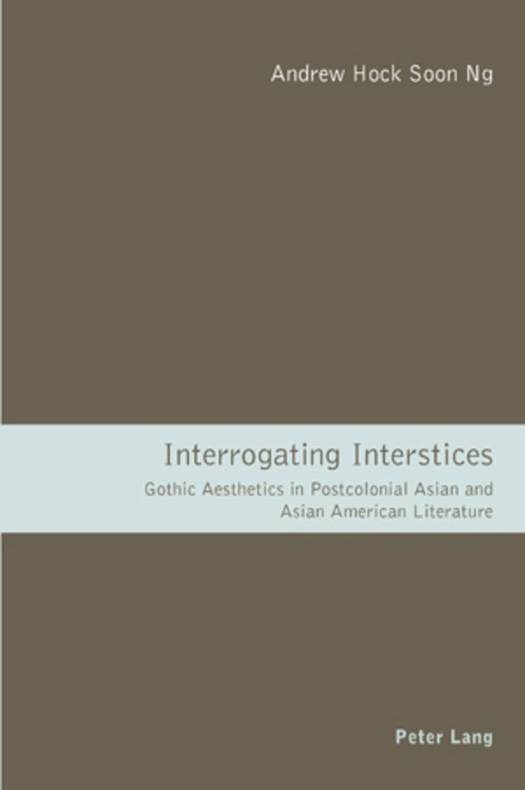
Interrogating Interstices
Gothic Aesthetics in Postcolonial Asian and Asian American Literature
Andrew Hock Soon Ng
Paperback | Engels
€ 83,95
+ 167 punten
Eenvoudig bestellen
Veilig betalen


Gratis thuislevering vanaf € 30 (via bpost)
Gratis levering in je Standaard Boekhandel
Omschrijving
This study attempts to multiculturalise the Gothic by reading a wide selection of Postcolonial Asian and Asian American narratives in light of familiar Gothic tropes such as the uncanny, the double, spectres, and the sublime. Discussing some of the more important concepts in postcolonialism such as subjectivity, belonging, hybridity and nationalism, the author argues that the trajectory of the postcolonial and diasporic experience is fraught with profound moments of trauma, loss and transgression which the aesthetics of the Gothic can illuminate. Throughout the study, a careful balance is maintained between deploying Gothic criticism and emphasising the narrative's cultural, historical and ideological specificity to ensure that a textual form of colonial imposition does not occur. Writings by well-known authors such as Rushdie, Roy, Ondaatje and Mukherjee, and lesser known ones such as Lan Samantha Chang, K.S, Maniam and Beth Yahp are analysed.
Specificaties
Betrokkenen
- Auteur(s):
- Uitgeverij:
Inhoud
- Aantal bladzijden:
- 289
- Taal:
- Engels
Eigenschappen
- Productcode (EAN):
- 9783039110063
- Verschijningsdatum:
- 24/04/2007
- Uitvoering:
- Paperback
- Formaat:
- Trade paperback (VS)
- Afmetingen:
- 220 mm x 150 mm
- Gewicht:
- 419 g


Alleen bij Standaard Boekhandel
+ 167 punten op je klantenkaart van Standaard Boekhandel
CADEAU

AANGERADEN


Beoordelingen
We publiceren alleen reviews die voldoen aan de voorwaarden voor reviews. Bekijk onze voorwaarden voor reviews.