


- Afhalen na 1 uur in een winkel met voorraad
- Gratis thuislevering in België vanaf € 30
- Ruim aanbod met 7 miljoen producten
- Afhalen na 1 uur in een winkel met voorraad
- Gratis thuislevering in België vanaf € 30
- Ruim aanbod met 7 miljoen producten





€ 232,45
+ 464 punten
Omschrijving
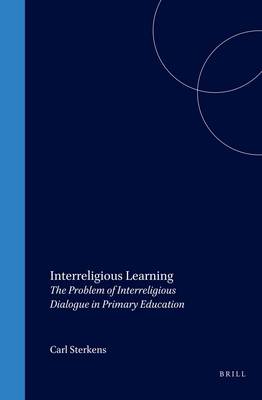
The increasing plurality of religions and world-views in western society has major implications for religious communication in both public and private settings. This study is an important step in an exploration of the consequences of this religious plurality for religious education in primary education. The chief concern of this study is the following question: To what extent is a pedagogic model in which pupils are encouraged to participate in an interreligious dialogue adequate for coping with this religious plurality? To address this question, the author discusses the following research questions: what are the cognitive, the affective and the attitudinal effects of the interreligious model for religious education, and can this model be legitimised?
These questions are considered in the context of a discussion of the meaning of religion and an elaboration of the aim of religious education within the context of a secularized and multicultural society.
These questions are considered in the context of a discussion of the meaning of religion and an elaboration of the aim of religious education within the context of a secularized and multicultural society.
Specificaties
Betrokkenen
- Auteur(s):
- Uitgeverij:
Inhoud
- Aantal bladzijden:
- 282
- Taal:
- Engels
- Reeks:
- Reeksnummer:
- nr. 8
Eigenschappen
- Productcode (EAN):
- 9789004123809
- Verschijningsdatum:
- 3/08/2001
- Uitvoering:
- Hardcover
- Formaat:
- Genaaid
- Afmetingen:
- 163 mm x 245 mm
- Gewicht:
- 639 g


Alleen bij Standaard Boekhandel
+ 464 punten op je klantenkaart van Standaard Boekhandel
CADEAU


Beoordelingen
We publiceren alleen reviews die voldoen aan de voorwaarden voor reviews. Bekijk onze voorwaarden voor reviews.