


- Afhalen na 1 uur in een winkel met voorraad
- Gratis thuislevering in België vanaf € 30
- Ruim aanbod met 7 miljoen producten
- Afhalen na 1 uur in een winkel met voorraad
- Gratis thuislevering in België vanaf € 30
- Ruim aanbod met 7 miljoen producten





€ 100,00
+ 200 punten
Eenvoudig bestellen
Veilig betalen


Gratis thuislevering vanaf € 30 (via bpost)
Gratis levering in je Standaard Boekhandel
Omschrijving
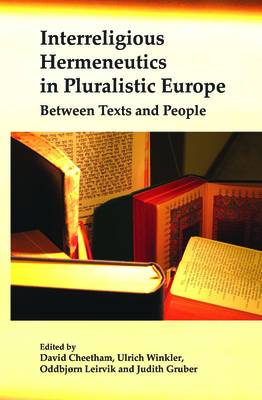
At the second major conference held in Salzburg in 2009 of The European Society for Intercultural Theology and Interreligious Studies (ESITIS), participants probed the broad theme of 'interreligious hermeneutics in a pluralistic Europe'. Due to the phenomenon of an increasingly plural Europe, questions arise about how we see each other's cultural heritage, religious traditions and sacred scriptures.
Following the discussions that took place at the conference, this book focuses on the usage of texts in our global and mass media world, the possibility of 'scriptural reasoning', the theological comparison of selected topics from religious traditions by scholars belonging to multiple religions or interreligious communities of scholars, the pragmatics of using sacred texts in social contexts of family and gender, polemical attacks on the other's sacred text and the challenge to interreligious hermeneutics of the postcolonial deconstruction of religion by cultural studies. The future of interreligious hermeneutics is going to be complex. This book exhibits the multiple agendas - power, gender, postcolonialism, globalisation, dialogue, tradition, polemics - that will have a stake in these future debates.
Following the discussions that took place at the conference, this book focuses on the usage of texts in our global and mass media world, the possibility of 'scriptural reasoning', the theological comparison of selected topics from religious traditions by scholars belonging to multiple religions or interreligious communities of scholars, the pragmatics of using sacred texts in social contexts of family and gender, polemical attacks on the other's sacred text and the challenge to interreligious hermeneutics of the postcolonial deconstruction of religion by cultural studies. The future of interreligious hermeneutics is going to be complex. This book exhibits the multiple agendas - power, gender, postcolonialism, globalisation, dialogue, tradition, polemics - that will have a stake in these future debates.
Specificaties
Betrokkenen
- Auteur(s):
- Uitgeverij:
Inhoud
- Aantal bladzijden:
- 450
- Taal:
- Engels
- Reeks:
- Reeksnummer:
- nr. 40
Eigenschappen
- Productcode (EAN):
- 9789042033375
- Verschijningsdatum:
- 1/01/2011
- Uitvoering:
- Hardcover
- Formaat:
- Genaaid
- Afmetingen:
- 155 mm x 235 mm
- Gewicht:
- 816 g


Alleen bij Standaard Boekhandel
+ 200 punten op je klantenkaart van Standaard Boekhandel
CADEAU

AANGERADEN


Beoordelingen
We publiceren alleen reviews die voldoen aan de voorwaarden voor reviews. Bekijk onze voorwaarden voor reviews.