


- Afhalen na 1 uur in een winkel met voorraad
- Gratis thuislevering in België vanaf € 30
- Ruim aanbod met 7 miljoen producten
- Afhalen na 1 uur in een winkel met voorraad
- Gratis thuislevering in België vanaf € 30
- Ruim aanbod met 7 miljoen producten





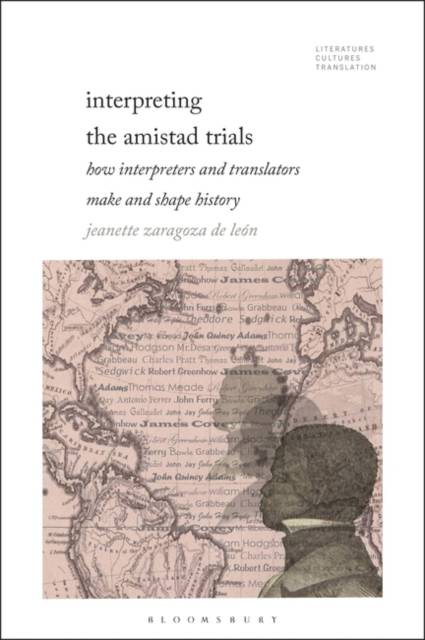
Interpreting the Amistad Trials
How Interpreters and Translators Make and Shape History
Jeanette Zaragoza-de León
€ 44,45
+ 88 punten
Omschrijving
Interpreting The Amistad Trials traces the signal importance of interpreters and translators in the famous 19th-century Amistad case and discusses how race, ethnicity, slavery, and colonialism shaped this story.
From the recruitment process to the various oral to sign languages that mediated linguistically in the Africans' life inside and outside the courtroom, and from evidentiary documents to fraudulent translations to credible testimonies, Jeanette Zaragoza-De León demonstrates the crucial importance of translation and interpretation in the Amistad plot and outcome. De León examines handwritten letters, pamphlets, newspapers, and judicial files, and adopts a critical race theory and postcolonial lens to analyze these materials. Although these critical interpretations and translations travelled transatlantically via Europe, Africa, the Caribbean, and the United States, De León highlights the common thread which also geographically unites Venezuela, Puerto Rico, and the Dominican Republic as part of the Amistad story.
Specificaties
Betrokkenen
- Auteur(s):
- Uitgeverij:
Inhoud
- Aantal bladzijden:
- 272
- Taal:
- Engels
- Reeks:
Eigenschappen
- Productcode (EAN):
- 9781501394645
- Verschijningsdatum:
- 29/04/2027
- Uitvoering:
- Paperback
- Formaat:
- Trade paperback (VS)
- Afmetingen:
- 140 mm x 216 mm
- Gewicht:
- 453 g



Alleen bij Standaard Boekhandel
+ 88 punten op je klantenkaart van Standaard Boekhandel
Cadeau

AANGERADEN


Beoordelingen
We publiceren alleen reviews die voldoen aan de voorwaarden voor reviews. Bekijk onze voorwaarden voor reviews.