



Je cadeautjes zeker op tijd in huis hebben voor de feestdagen? Kom langs in onze winkels en vind het perfecte geschenk!
- Afhalen na 1 uur in een winkel met voorraad
- Gratis thuislevering in België vanaf € 30
- Ruim aanbod met 7 miljoen producten
Je cadeautjes zeker op tijd in huis hebben voor de feestdagen? Kom langs in onze winkels en vind het perfecte geschenk!
- Afhalen na 1 uur in een winkel met voorraad
- Gratis thuislevering in België vanaf € 30
- Ruim aanbod met 7 miljoen producten





€ 100,98
+ 201 punten
Omschrijving
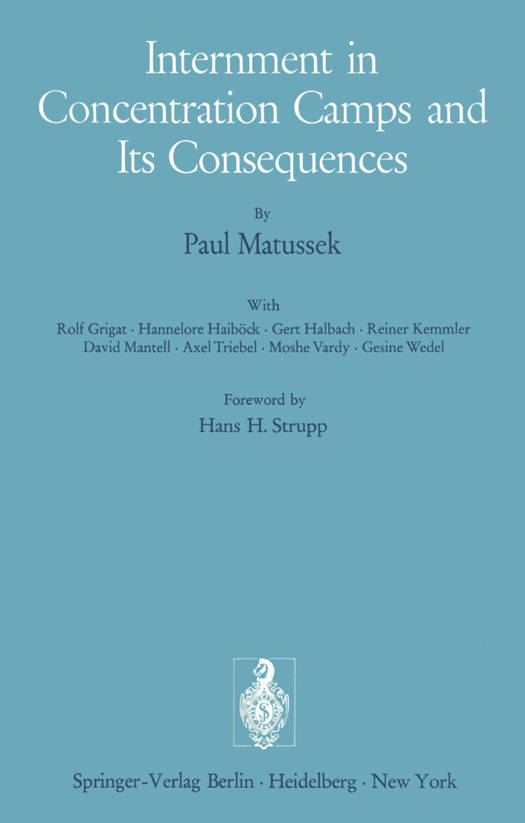
It remained for Nazi Germany to design the most satanic psychological experi- ment of all time, the independent variables consisting of brutality, bestiality, physical and mental torture on an unprecedented scale. What were the effects of this massive assault on the human spirit, on man's ability to assimilate such experiences, if he survived physically? While the terror of the Nazi concentration camps has been indelibly engraved in the history of Western civilization as its most shameful chapter, little systematic study has been addressed to the subsequent lives of that minority of inmates who were fortunate enough to escape physical annihilation and lived to tell about their nightmare. Dr. PAUL MATUSSEK, a respected German psychiatrist, aided by a small group of collaborators, performed the task of identifying a group of victims (mostly Jews but also political prisoners), who, following their liberation, had settled in Germany, Israel, and the United States. By careful interviews, questionnaires, and psychological tests he brought to bear the methods of sensitive clinical inquiry on the experiences of those who dared to reminisce and who were sufficiently trusting to share their feelings and memories with clinical investigators. It is a telling commentary that many people, even after the passage of years, refused to respond.
Specificaties
Betrokkenen
- Auteur(s):
- Vertaler(s):
- Uitgeverij:
Inhoud
- Aantal bladzijden:
- 272
- Taal:
- Engels
Eigenschappen
- Productcode (EAN):
- 9783642660771
- Verschijningsdatum:
- 3/10/2013
- Uitvoering:
- Paperback
- Formaat:
- Trade paperback (VS)
- Afmetingen:
- 170 mm x 244 mm
- Gewicht:
- 462 g


Alleen bij Standaard Boekhandel
+ 201 punten op je klantenkaart van Standaard Boekhandel
CADEAU


Beoordelingen
We publiceren alleen reviews die voldoen aan de voorwaarden voor reviews. Bekijk onze voorwaarden voor reviews.