


- Afhalen na 1 uur in een winkel met voorraad
- Gratis thuislevering in België vanaf € 30
- Ruim aanbod met 7 miljoen producten
- Afhalen na 1 uur in een winkel met voorraad
- Gratis thuislevering in België vanaf € 30
- Ruim aanbod met 7 miljoen producten





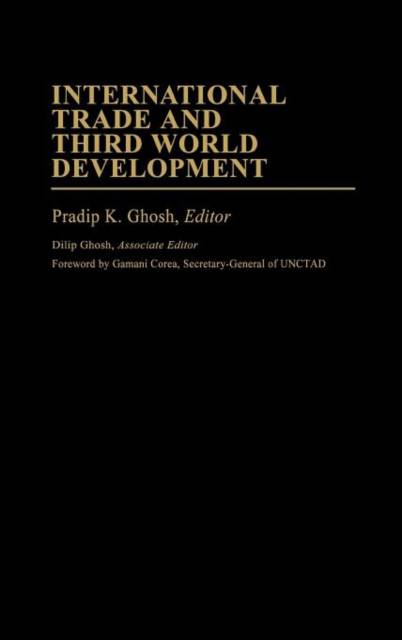
International Trade and Third World Development
Pradip K Ghosh
€ 152,95
+ 305 punten
Omschrijving
Foreign trade is a key factor in the development strategy of Third World countries. The development of world trade as a whole has not, however, led to an improvement in the relative position of the developing countries. Despite efforts to promote and liberalize world trade, serious quota and tariff barriers in world markets--often a violation of the principles advocated and accepted in international forums on world trade--still exist for many Third World countries. Specific issues such as import controls, export subsidies, foreign trade and payments, negotiating strategies, and industrial protectionism are explored as are the broad theoretical aspects of the role of trade in Third World development.
Specificaties
Betrokkenen
- Auteur(s):
- Uitgeverij:
Inhoud
- Aantal bladzijden:
- 569
- Taal:
- Engels
- Reeks:
Eigenschappen
- Productcode (EAN):
- 9780313241529
- Verschijningsdatum:
- 3/12/1984
- Uitvoering:
- Hardcover
- Formaat:
- Genaaid
- Afmetingen:
- 156 mm x 234 mm
- Gewicht:
- 1006 g


Alleen bij Standaard Boekhandel
+ 305 punten op je klantenkaart van Standaard Boekhandel
Cadeau

AANGERADEN


Beoordelingen
We publiceren alleen reviews die voldoen aan de voorwaarden voor reviews. Bekijk onze voorwaarden voor reviews.