


- Afhalen na 1 uur in een winkel met voorraad
- Gratis thuislevering in België vanaf € 30
- Ruim aanbod met 7 miljoen producten
- Afhalen na 1 uur in een winkel met voorraad
- Gratis thuislevering in België vanaf € 30
- Ruim aanbod met 7 miljoen producten




Omschrijving
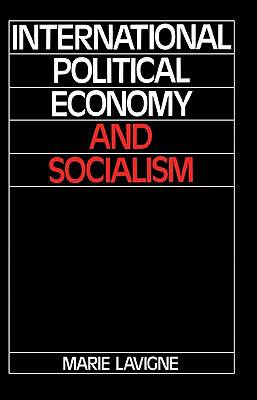
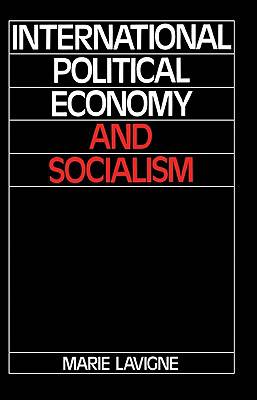
International Political Economy and Socialism is a revised and updated version of Professor Marie Lavigne's best seller, Economie Internationale des Pays Socialistes. It is a most timely revision in which she presents a comprehensive view of the strategies and achievements in the international trade of the Soviet Union, the GDR, Czechoslovakia, Bulgaria, Hungary, Poland and Romania. Marie Lavigne divides the book into three parts. In the first, she examines trading relations within the CMEA and with their partners in the South and West. In the second she focuses on the main categories of products which dominate these trading relationships--technology, energy and food. In the final section, Professor Lavigne analyzes the management of international financial relations by countries which lack domestic monetary markets. She concludes by raising questions concerning the place these socialist economies occupy in today's world economy and the place they may occupy tomorrow.
Specificaties
Betrokkenen
- Auteur(s):
- Vertaler(s):
- Uitgeverij:
Inhoud
- Aantal bladzijden:
- 410
- Taal:
- Engels
Eigenschappen
- Productcode (EAN):
- 9780521336635
- Verschijningsdatum:
- 14/03/1991
- Uitvoering:
- Paperback
- Formaat:
- Trade paperback (VS)
- Afmetingen:
- 152 mm x 229 mm
- Gewicht:
- 598 g


Alleen bij Standaard Boekhandel
+ 144 punten op je klantenkaart van Standaard Boekhandel
AANGERADEN


Beoordelingen
We publiceren alleen reviews die voldoen aan de voorwaarden voor reviews. Bekijk onze voorwaarden voor reviews.