


- Afhalen na 1 uur in een winkel met voorraad
- Gratis thuislevering in België vanaf € 30
- Ruim aanbod met 7 miljoen producten
- Afhalen na 1 uur in een winkel met voorraad
- Gratis thuislevering in België vanaf € 30
- Ruim aanbod met 7 miljoen producten





€ 203,95
+ 407 punten
Uitvoering
Omschrijving
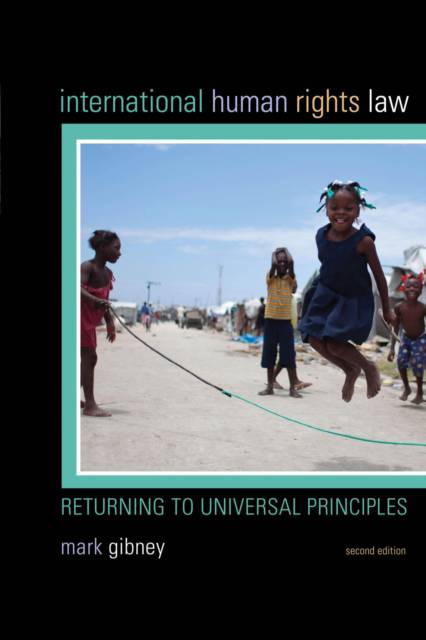
This clear and compelling textconfronts the dominant thinking on human rights, taking issue with the notion adopted by all states and even many academics that human rights obligations extend no further than their own territorial borders. Mark Gibney critiques cases from the U.S. Supreme Court, the International Court of Justice, and the European Court of Human Rights, arguing for a much broader reading of state responsibility on the basis that current law misses most of the ways in which states fail to protect human rights standards. Finally, Gibney takes up the issue of human rights enforcement, unquestionably the weakest aspect of international human rights law. He proposes several practical models that could begin to provide victims the "effective remedy" promised by the law itself. The book concludes that there is a moral and legal imperative to return to the universal principles human rights were founded on. And rather than witnessing the end of human rights--as some have suggested--we should see our times as the true beginning.
Specificaties
Betrokkenen
- Auteur(s):
- Uitgeverij:
Inhoud
- Aantal bladzijden:
- 174
- Taal:
- Engels
Eigenschappen
- Productcode (EAN):
- 9781442249097
- Verschijningsdatum:
- 13/08/2015
- Uitvoering:
- Hardcover
- Formaat:
- Genaaid
- Afmetingen:
- 152 mm x 231 mm
- Gewicht:
- 385 g



Alleen bij Standaard Boekhandel
+ 407 punten op je klantenkaart van Standaard Boekhandel
Cadeau

AANGERADEN


Beoordelingen
We publiceren alleen reviews die voldoen aan de voorwaarden voor reviews. Bekijk onze voorwaarden voor reviews.