


- Afhalen na 1 uur in een winkel met voorraad
- Gratis thuislevering in België vanaf € 30
- Ruim aanbod met 7 miljoen producten
- Afhalen na 1 uur in een winkel met voorraad
- Gratis thuislevering in België vanaf € 30
- Ruim aanbod met 7 miljoen producten





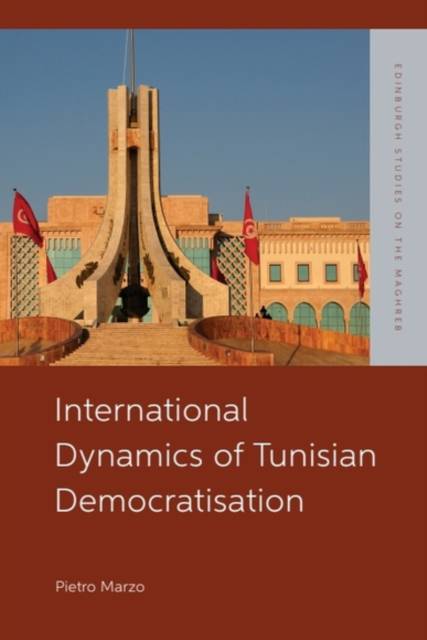
International Dynamics of Tunisian Democratisation
Pietro Marzo
€ 193,45
+ 386 punten
Omschrijving
This book focuses on international influences and global factors that surrounded Ben Ali's regime breakdown and the democratization process in Tunisia. Relying on extensive fieldwork, the research explores the interplay between international and national actors and presents two main arguments. First, it shows that although Western states officially remained allies of Ben Ali until the end of his regime (1987-2011), democracy promoters and international actors supported interactions and connections among Tunisian individuals with critical views of Ben Ali. These activities fostered the emergence of alternative centres of power and would-be political coalitions, which eventually weakened the internal and external legitimacy of the Ben Ali regime. Second, the book argues that between 2011 and 2021 international assistance helped Tunisian transitional elites to build a procedural democracy. Yet foreign assistance and democracy promotion failed to boost more substantive aspects of democratization, indirectly contributing to the rise of popular disillusion with democracy.
Specificaties
Betrokkenen
- Auteur(s):
- Uitgeverij:
Inhoud
- Aantal bladzijden:
- 224
- Taal:
- Engels
- Reeks:
Eigenschappen
- Productcode (EAN):
- 9781399511612
- Verschijningsdatum:
- 31/12/2025
- Uitvoering:
- Hardcover
- Formaat:
- Genaaid
- Afmetingen:
- 156 mm x 234 mm



Alleen bij Standaard Boekhandel
+ 386 punten op je klantenkaart van Standaard Boekhandel
Cadeau

AANGERADEN


Beoordelingen
We publiceren alleen reviews die voldoen aan de voorwaarden voor reviews. Bekijk onze voorwaarden voor reviews.