


- Afhalen na 1 uur in een winkel met voorraad
- Gratis thuislevering in België vanaf € 30
- Ruim aanbod met 7 miljoen producten
- Afhalen na 1 uur in een winkel met voorraad
- Gratis thuislevering in België vanaf € 30
- Ruim aanbod met 7 miljoen producten


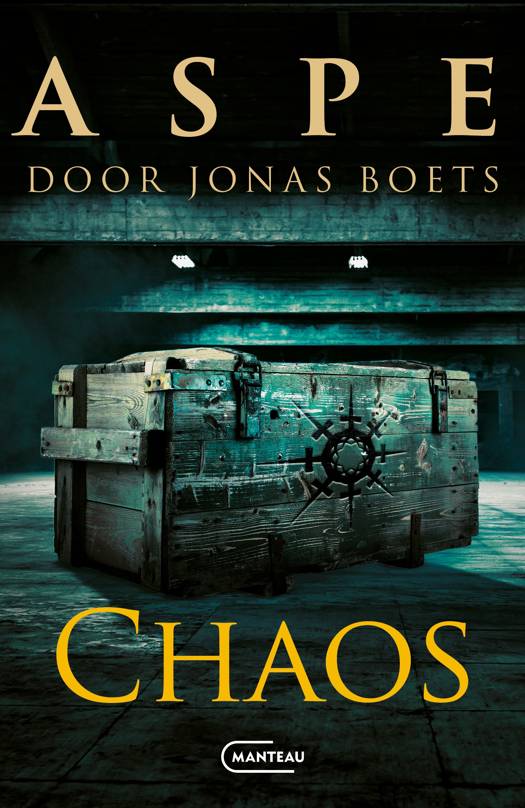


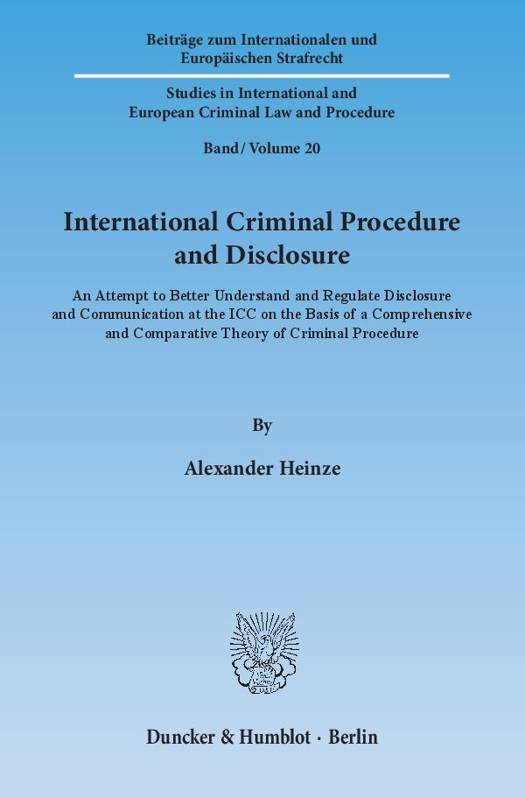
International Criminal Procedure and Disclosure
An Attempt to Better Understand and Regulate Disclosure and Communication at the ICC on the Basis of a Comprehensive and Comparative Theory of Criminal Procedure
Alexander Heinze
€ 245,95
+ 491 punten
Omschrijving
"International Criminal Procedure and Disclosure" analyses the different interpretations of disclosure rules at the International Criminal Court (ICC) and introduces a new disclosure regime, where the parties will be able to actually foresee the consequences of their conduct (i.e. non-disclosure). Through a critical case law analysis Heinze illustrates that an inconsistent classification of the nature of the ICC-process has - via the application of a contextual interpretation - a direct impact on decisions about concrete procedural issues, of which disclosure is the most prominent example. For this very reason Heinze re-classifies the ICC-process and concludes that the ICC is a hierarchically structured international organisation with a "policy-implementing" form of procedure, that nevertheless contains adversarial elements usually found in a system of coordinate authority with a "conflict-solving" form of justice. This classification serves as a "general jurisprudence" in its technical sense, which enables the Judges to conduct a coherent contextual interpretation. The book thereby establishes a connection between legal theory, philosophy, sociology and comparative law on the one hand and a highly relevant procedural question on the other hand.
Specificaties
Betrokkenen
- Auteur(s):
- Uitgeverij:
Inhoud
- Aantal bladzijden:
- 599
- Taal:
- Engels
- Reeks:
- Reeksnummer:
- nr. 20
Eigenschappen
- Productcode (EAN):
- 9783428143436
- Verschijningsdatum:
- 19/05/2014
- Uitvoering:
- Paperback
- Formaat:
- Trade paperback (VS)
- Afmetingen:
- 155 mm x 231 mm
- Gewicht:
- 7928 g


Alleen bij Standaard Boekhandel
+ 491 punten op je klantenkaart van Standaard Boekhandel
Wedstrijd


Beoordelingen
We publiceren alleen reviews die voldoen aan de voorwaarden voor reviews. Bekijk onze voorwaarden voor reviews.