


- Afhalen na 1 uur in een winkel met voorraad
- Gratis thuislevering in België vanaf € 30
- Ruim aanbod met 7 miljoen producten
- Afhalen na 1 uur in een winkel met voorraad
- Gratis thuislevering in België vanaf € 30
- Ruim aanbod met 7 miljoen producten





€ 103,45
+ 206 punten
Omschrijving
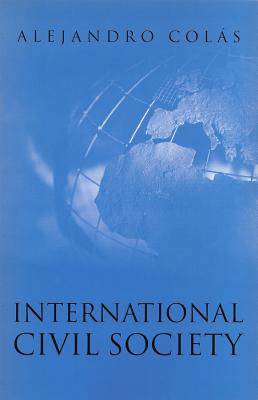
Since the end of the Cold War, activists and scholars alike have celebrated the phenomenal growth of transnational social movements across the globe. For some, this new eruption of grass-roots political activism on a world scale - from the Rio Earth Summit to the Seattle anti-globalization protests - represents the emergence of a global or transnational civil society.
This book provides a critical survey of recent approaches to the study of civil society and international relations, presenting an alternative historical and sociological account of the interaction between these two spheres. It makes a theoretical case for the importance of social movements in world politics arguing that modern social movements emerging out of civil society have been instrumental in shaping the contemporary international system.
In this wide-ranging engagement with past and present controversies in international relations, Colas shows how a renewed conception of international civil society can illuminate future possibilities for international social movement activity.
This book will be of great interest to students and scholars of international relations, political sociology and social history, as well as those who seek to play a part in global politics.
This book provides a critical survey of recent approaches to the study of civil society and international relations, presenting an alternative historical and sociological account of the interaction between these two spheres. It makes a theoretical case for the importance of social movements in world politics arguing that modern social movements emerging out of civil society have been instrumental in shaping the contemporary international system.
In this wide-ranging engagement with past and present controversies in international relations, Colas shows how a renewed conception of international civil society can illuminate future possibilities for international social movement activity.
This book will be of great interest to students and scholars of international relations, political sociology and social history, as well as those who seek to play a part in global politics.
Specificaties
Betrokkenen
- Auteur(s):
- Uitgeverij:
Inhoud
- Aantal bladzijden:
- 232
- Taal:
- Engels
Eigenschappen
- Productcode (EAN):
- 9780745625553
- Verschijningsdatum:
- 21/01/2002
- Uitvoering:
- Hardcover
- Formaat:
- Pop-up boek
- Afmetingen:
- 160 mm x 236 mm
- Gewicht:
- 444 g


Alleen bij Standaard Boekhandel
+ 206 punten op je klantenkaart van Standaard Boekhandel
AANGERADEN


Beoordelingen
We publiceren alleen reviews die voldoen aan de voorwaarden voor reviews. Bekijk onze voorwaarden voor reviews.