


- Afhalen na 1 uur in een winkel met voorraad
- Gratis thuislevering in België vanaf € 30
- Ruim aanbod met 7 miljoen producten
- Afhalen na 1 uur in een winkel met voorraad
- Gratis thuislevering in België vanaf € 30
- Ruim aanbod met 7 miljoen producten





€ 274,95
+ 549 punten
Omschrijving
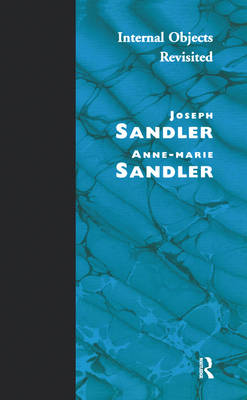
The authors show how their ego-psychological object relations theory integrates drive theory and object relations theory and does justice to recent findings regarding the vicissitudes of transference and countertransference interactions in the psychoanalytic situation. 'A significant shift has taken place in the last few decades in the way in which psychoanalytic theory has developed and in its application to psychoanalytic technique. This development has, in essence, consisted in the ascendance of object relations theory as an overall integrating frame of reference linking psychoanalytic metapsychology closer to the vicissitudes of the psychoanalytic process. This has facilitated the formulation of unconscious intrapsychic conflict in more clinically helpful ways than has the traditional frame of reference exclusively based on the conflict between drives and defensive operations. 'The great interest of the Sandler's approach resides in their careful and systematic elaboration of what might be called the various "building blocks" of a contemporary ego psychological object relations theory, carefully exploring each areas on its own merits before gradually taking them into an overall theoretical approach.
Specificaties
Betrokkenen
- Auteur(s):
- Uitgeverij:
Inhoud
- Aantal bladzijden:
- 192
- Taal:
- Engels
Eigenschappen
- Productcode (EAN):
- 9780367105006
- Verschijningsdatum:
- 14/06/2019
- Uitvoering:
- Hardcover
- Formaat:
- Genaaid
- Afmetingen:
- 152 mm x 229 mm
- Gewicht:
- 426 g


Alleen bij Standaard Boekhandel
+ 549 punten op je klantenkaart van Standaard Boekhandel
Cadeau

AANGERADEN


Beoordelingen
We publiceren alleen reviews die voldoen aan de voorwaarden voor reviews. Bekijk onze voorwaarden voor reviews.