


- Afhalen na 1 uur in een winkel met voorraad
- Gratis thuislevering in België vanaf € 30
- Ruim aanbod met 7 miljoen producten
- Afhalen na 1 uur in een winkel met voorraad
- Gratis thuislevering in België vanaf € 30
- Ruim aanbod met 7 miljoen producten





Omschrijving
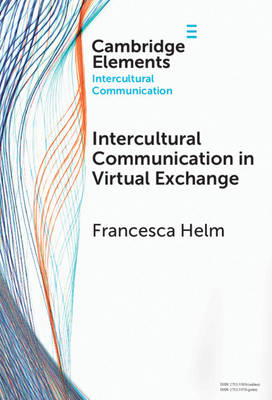
Virtual exchange is an educational approach that uses technology to bring together people from geographically and/or culturally distant locations in sustained online interactions, often intended to develop their intercultural awareness and understanding. Though the practice has existed for several decades, it has gained popularity in recent years, in part due to the recent Covid-19 pandemic and recourse to online tools for international and intercultural learning. This Element explores intercultural communication in virtual exchange by looking at how and why culture is made relevant in the pedagogical design and framing of virtual exchanges and what impact this might have on student positioning, power dynamics, and on intercultural learning. From this framework three broad approaches are outlined, which are defined as comparative, challenge-based, and dialogue-based. Each approach is explored through examples and the opportunities, limitations, and risks for intercultural learning.
Specificaties
Betrokkenen
- Auteur(s):
- Uitgeverij:
Inhoud
- Aantal bladzijden:
- 94
- Taal:
- Engels
- Reeks:
Eigenschappen
- Productcode (EAN):
- 9781009572002
- Verschijningsdatum:
- 9/01/2025
- Uitvoering:
- Hardcover
- Formaat:
- Genaaid
- Afmetingen:
- 152 mm x 229 mm
- Gewicht:
- 299 g


Alleen bij Standaard Boekhandel
+ 248 punten op je klantenkaart van Standaard Boekhandel
Cadeau

AANGERADEN


Beoordelingen
We publiceren alleen reviews die voldoen aan de voorwaarden voor reviews. Bekijk onze voorwaarden voor reviews.