


- Afhalen na 1 uur in een winkel met voorraad
- Gratis thuislevering in België vanaf € 30
- Ruim aanbod met 7 miljoen producten
- Afhalen na 1 uur in een winkel met voorraad
- Gratis thuislevering in België vanaf € 30
- Ruim aanbod met 7 miljoen producten





€ 126,95
+ 253 punten
Uitvoering
Omschrijving
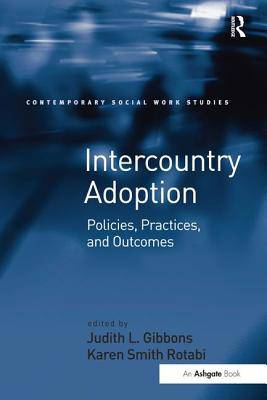
Proponents have touted intercountry adoption as a natural intervention for promoting child welfare. However, in cases of fraud and economic incentives, intercountry adoption has been denounced as child trafficking. Social workers play critical roles in intercountry adoption; they are often involved in family support services or child relinquishment in sending countries, and in evaluating potential adoptive homes, processing applications, and providing support for adoptive families in receiving countries; social workers are involved as brokers and policy makers with regard to the processes, procedures, and regulations that govern intercountry adoption.
Specificaties
Betrokkenen
- Auteur(s):
- Uitgeverij:
Inhoud
- Aantal bladzijden:
- 416
- Taal:
- Engels
- Reeks:
Eigenschappen
- Productcode (EAN):
- 9781472468246
- Verschijningsdatum:
- 15/09/2015
- Uitvoering:
- Paperback
- Formaat:
- Trade paperback (VS)
- Afmetingen:
- 156 mm x 234 mm
- Gewicht:
- 580 g


Alleen bij Standaard Boekhandel
+ 253 punten op je klantenkaart van Standaard Boekhandel
Cadeau

AANGERADEN


Beoordelingen
We publiceren alleen reviews die voldoen aan de voorwaarden voor reviews. Bekijk onze voorwaarden voor reviews.